How Field Operations Have Changed
Field operations have changed dramatically. Tighter margins, greater compliance requirements, more mobile teams and new technology have all changed what it takes to get the job done.
Field operations have always been demanding.
The weather has never been predictable. Machinery has always needed to keep moving. Every decision has carried consequences for productivity, profitability and the quality of the job. While those fundamentals haven’t changed, the way field operations are managed certainly has.
A generation ago, experience and local knowledge could carry much more of the operational load. Farmers and contractors knew the land they worked intimately. They understood where conditions changed, when to adjust their approach and how to get the job done with the tools available.
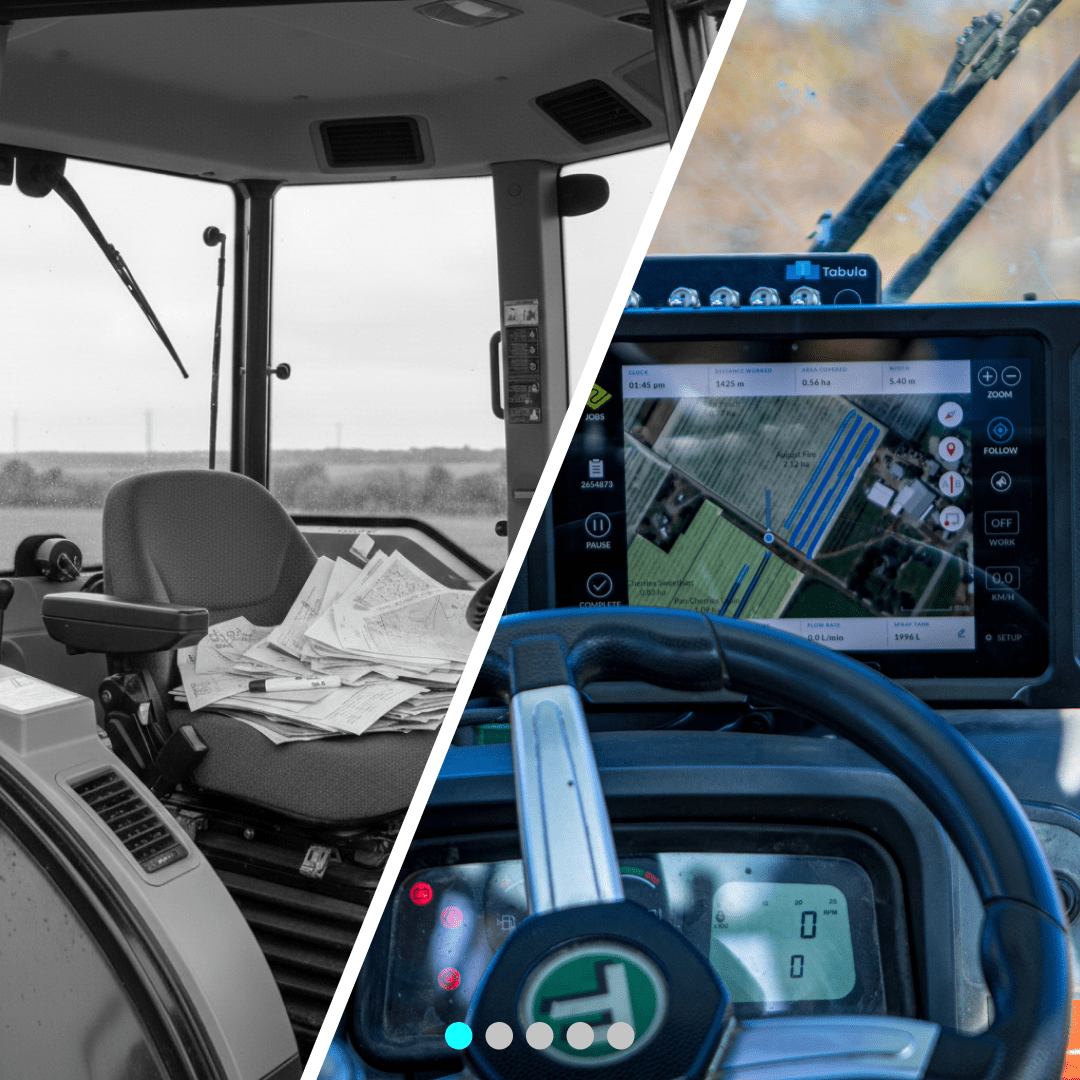
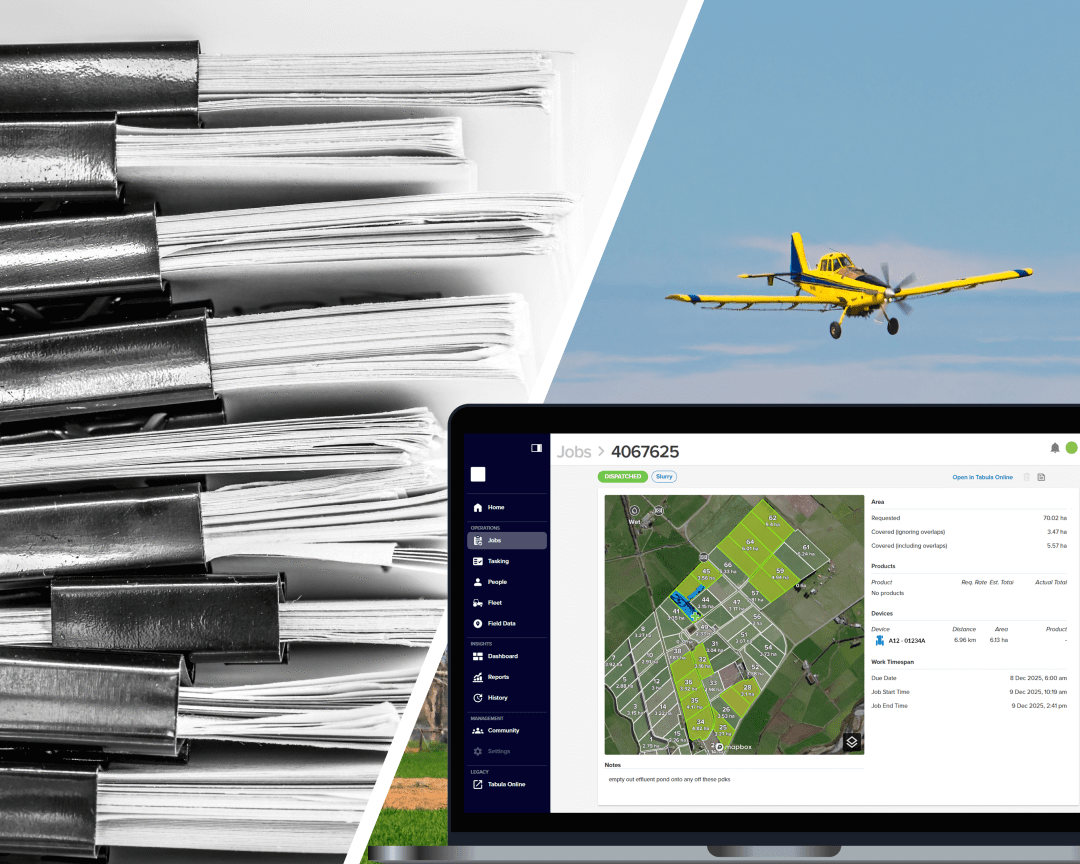
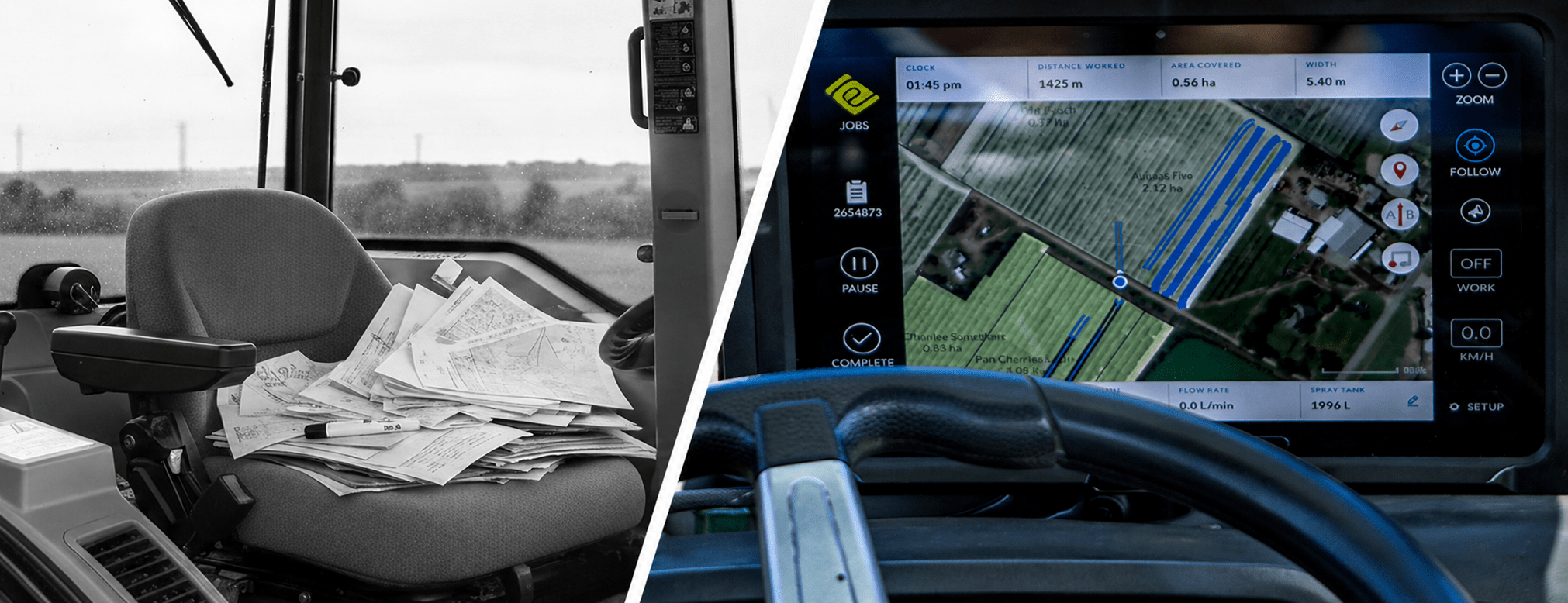
Planning often happened around the kitchen table. Information was kept in heads, jobs were recorded on paper, and progress was tracked through conversations. Much of the knowledge needed to keep work moving was held by the people involved.
For operations built around familiar land and established ways of working, it was manageable.
Today, the job looks very different.
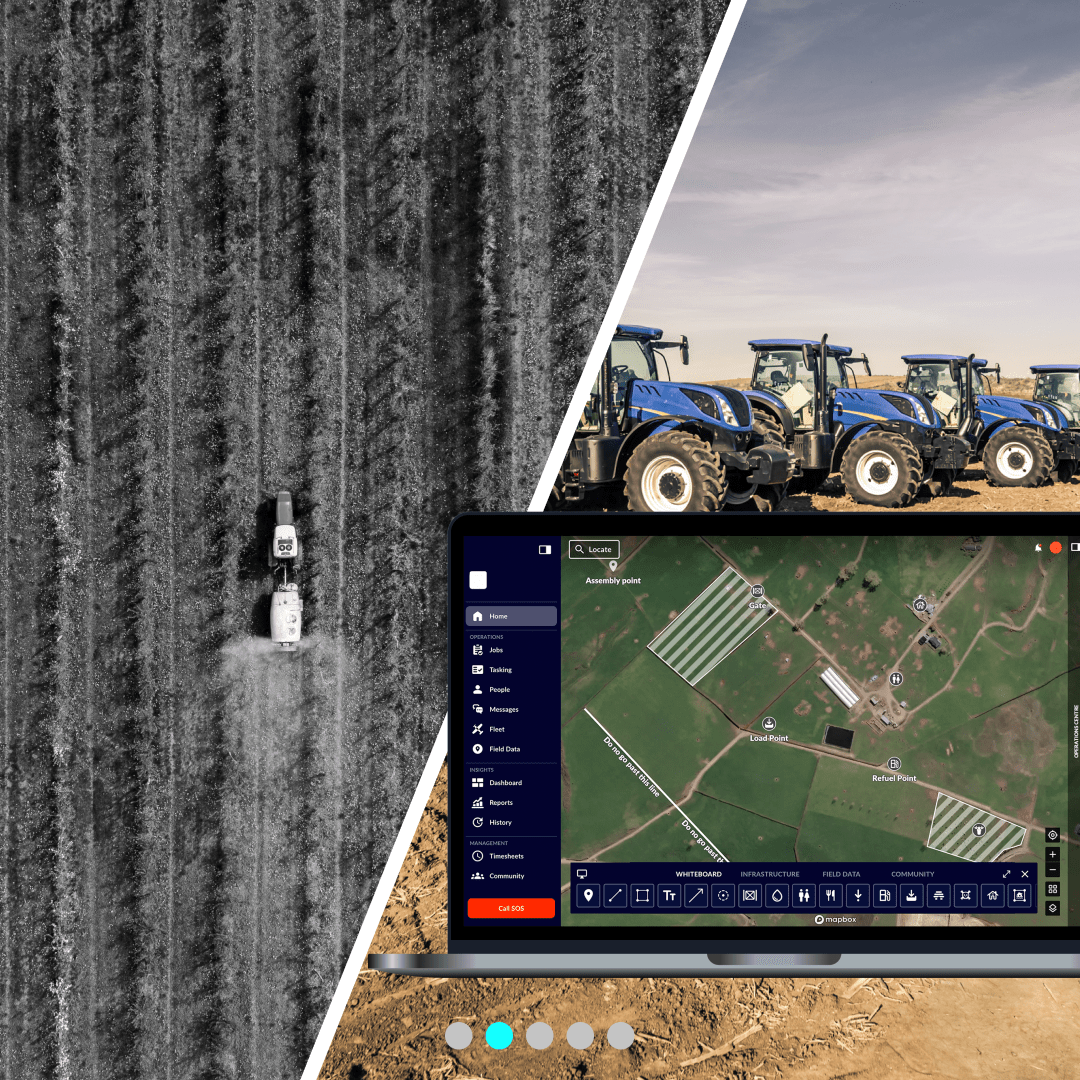
Agricultural operations have changed. Fleets are larger, teams are more mobile and specialist contractors play a much greater role across the industry.
Rather than working on a handful of familiar properties, operators may move between dozens of farms and orchards in a single season. They bring highly specialised equipment and expertise, but don’t necessarily have the same intimate knowledge of every property as the people who own and manage it.
That makes accurate information valuable on both sides of the relationship. Operators need clear instructions to complete work efficiently, while farmers and landowners need confidence that the right work has been completed, in the right place and to the required standard.
Gerald, who has been with Tabula since 2006, remembers that need clearly:
“Back then, the main challenge was accurate placement and the proof of placement. Spreaders needed to be able to guarantee they were spreading accurately and farmers wanted to know exactly where product had been put.”
The economics have changed, too.
Modern machinery represents a significant investment, while fuel, labour and operating costs continue to rise. The cost of machinery has increased dramatically over the past two decades, while the value of commodities being produced has not kept pace.
So, the economics of getting the job done have tightened. And margins remain under constant pressure.
There is little room for unnecessary travel, overlapping applications or wasted hours in the field. Efficiency is no longer simply about getting more work done; it’s about protecting the profitability of every job and making the best possible use of inputs.
As Gerald puts it:
“Before, the main challenge was accurate placement and proof of placement. Today, it’s being competitive. Especially when it comes to precision mapping and variable-rate spreading.”
Compliance has become another defining feature of modern field operations.
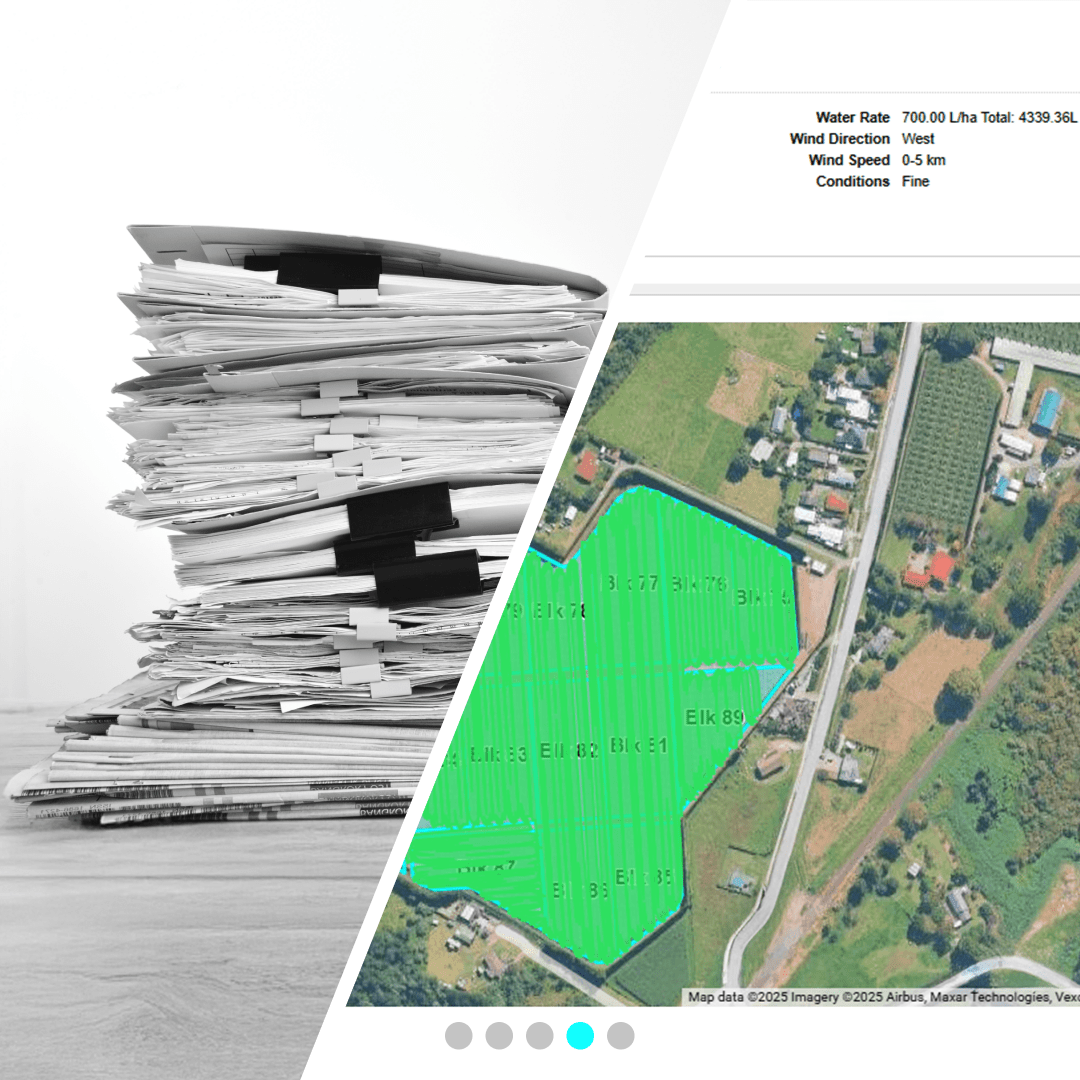
Whether it’s nutrient management, spray records, proof of application or environmental reporting… farmers, growers and contractors are expected to know not only what work was completed, but precisely where, when and how it was carried out.
Accurate records provide confidence for everyone involved: the operator completing the work, the landowner paying for it, the organisation managing it and, where required, regulators.
That need for compliance and accountability was already emerging when Tabula was founded in 2006. As founder Colin Brown recalls:
“There was no tracking system for inputs applied to the land. If we didn’t create a low-cost electronic system for recording, it would become a non-tariff barrier for NZ farmers.”
Information meets experience.
Successful field operations still rely on people making good decisions. Experience and practical expertise remain invaluable. What has changed is the quality of information available — and increasingly required — to support those decisions.
Access to accurate information and operational data helps people understand what is happening, what has already happened and what needs to happen next. That information can complement the knowledge of farmers, contractors and operators rather than replace it.
So what?
As the demands placed on field operations have evolved, so too have the tools that support them.
Over the past two decades, technology has moved from being a helpful addition to becoming an essential part of planning, coordinating and recording work.
As the challenges evolved, practical solutions for the real problems faced by people in the field had to evolve too.
The next question is: how did the technology keep up? We’ll explore that in our next article, Solving the Next Challenge.
Explore Tabula’s full range of tools to understand more about how we evolved our solutions to meet these changes: Tabula.live