Solving the Next Challenge
As field operations grew more complex, technology had to evolve with them. From GPS guidance and proof of application to planning, live information and digital records, each new challenge helped shape the connected operations of today.
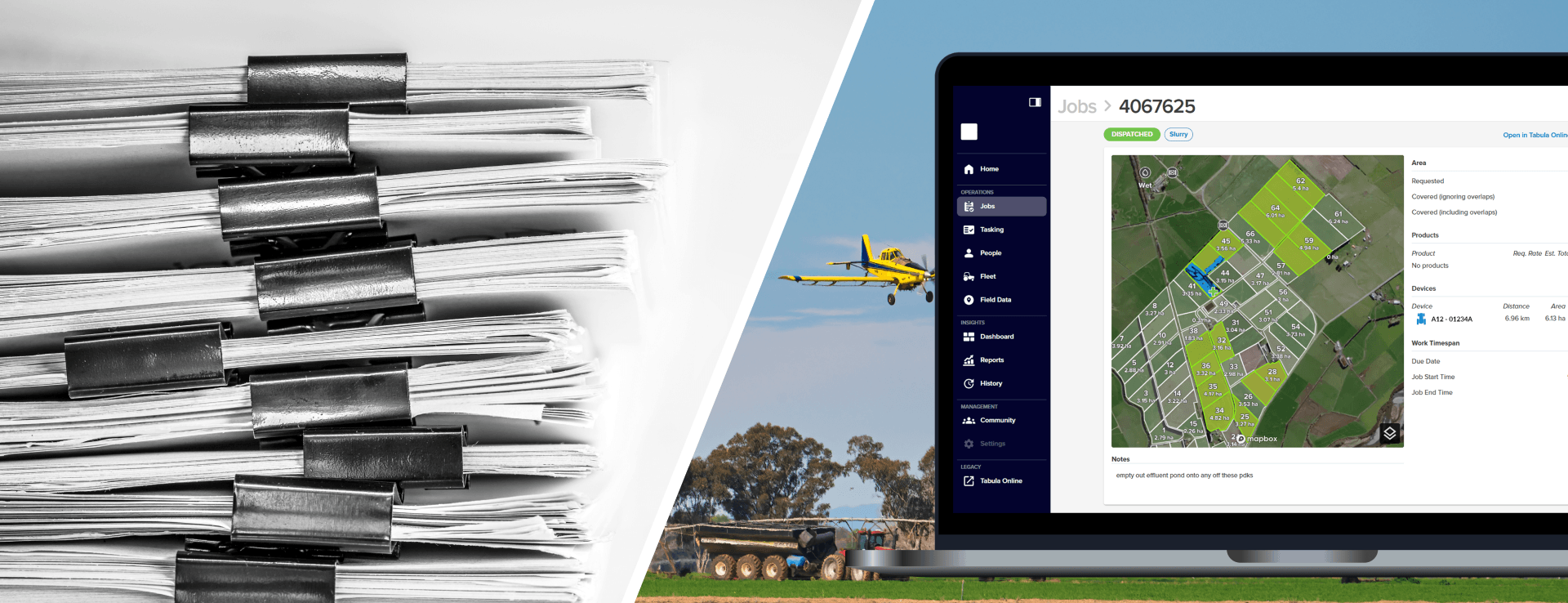
Field operations rarely stand still. As operations have grown more complex, the technology supporting them has had to solve new challenges too — moving from accuracy and guidance towards connecting people, information and work across an entire operation.
Technology evolves because the work evolves
Twenty years ago, one of the fundamental challenges was knowing exactly where work had been completed.
At that time, Tabula founder Colin Brown saw two requirements emerging for New Zealand agriculture:
“Farming and hill country systems needed to achieve two things: become more efficient at fertilising and spraying, and be able to provide electronic proof of placement.”
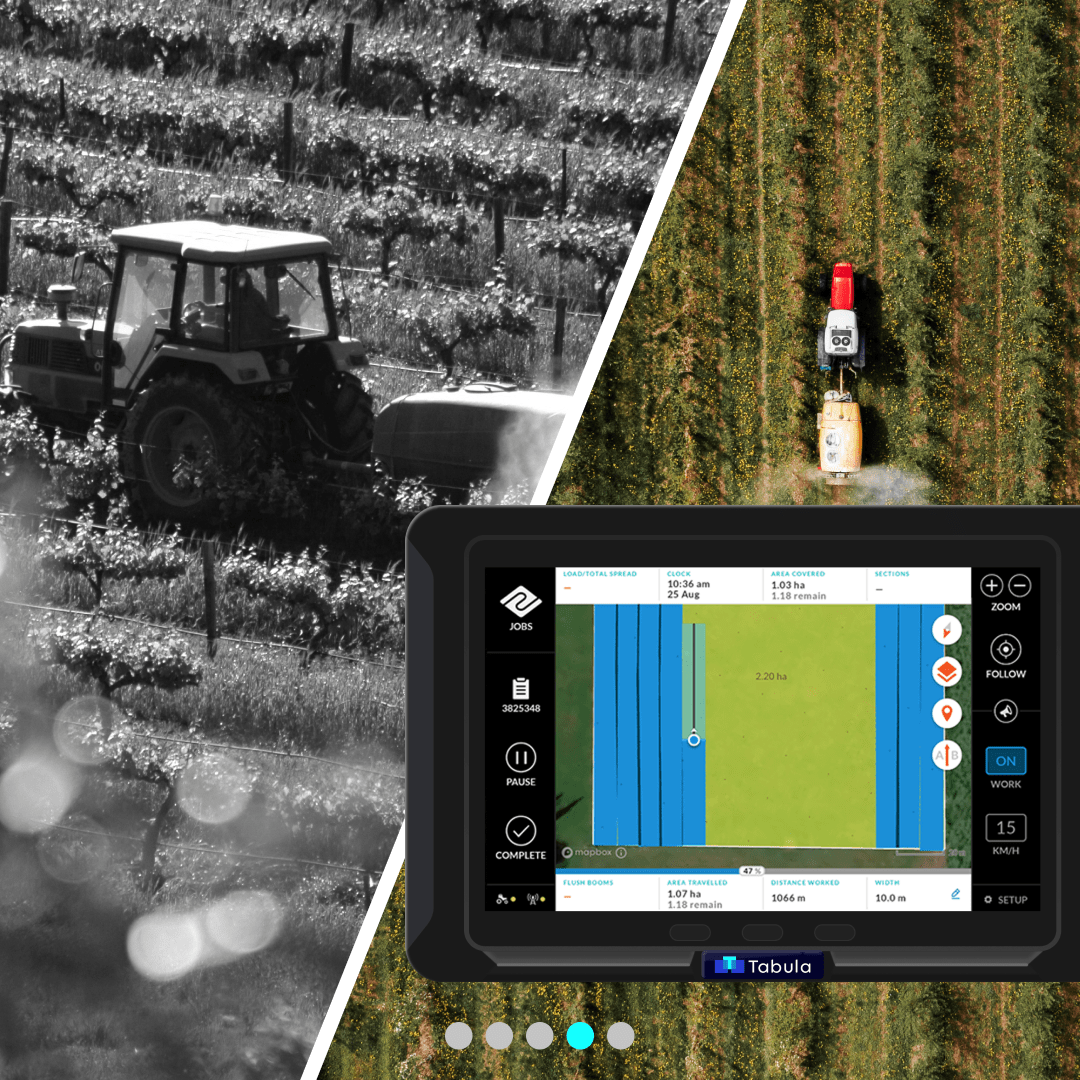
GPS guidance and proof of application provided an answer, improving accuracy, reducing overlaps and giving both operators and landowners greater confidence in where inputs had been applied.
But that alone wouldn’t remain enough.
The information surrounding the job became increasingly important. Work needed to be planned accurately, communicated clearly and coordinated across people and machinery. Farmers and growers wanted confidence in what had been completed, while contractors needed efficient ways to manage increasingly sophisticated operations and maintain accurate records.
The challenge was shifting from guiding a machine to connecting an operation.
One challenge led to the next
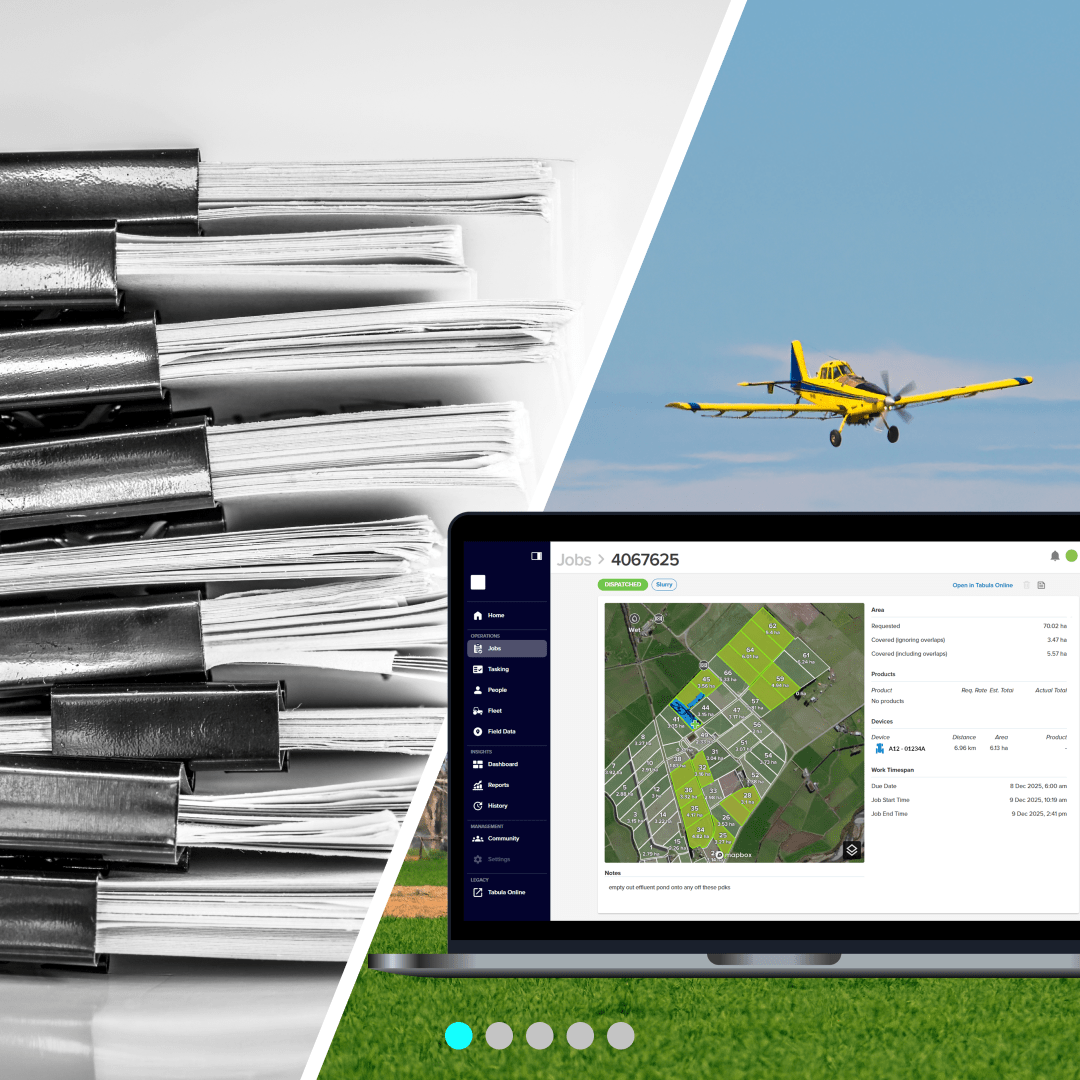
Planning could no longer happen in isolation. Information needed to move between the people organising work and those completing it. Operators needed accurate job information before arriving on site. Managers needed to understand progress as work happened, while records needed to be captured reliably rather than recreated from memory.
Each new challenge demanded another step forward.
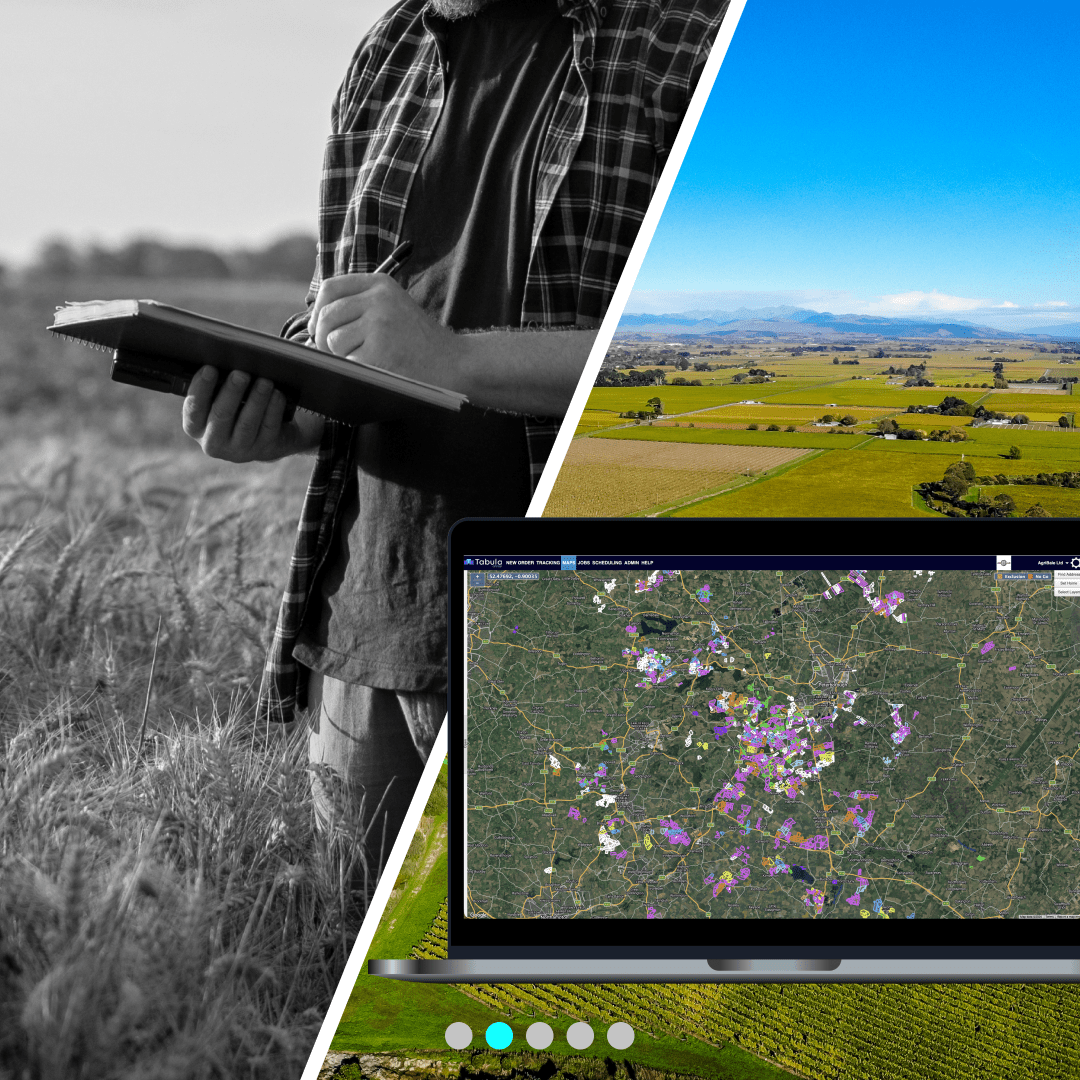
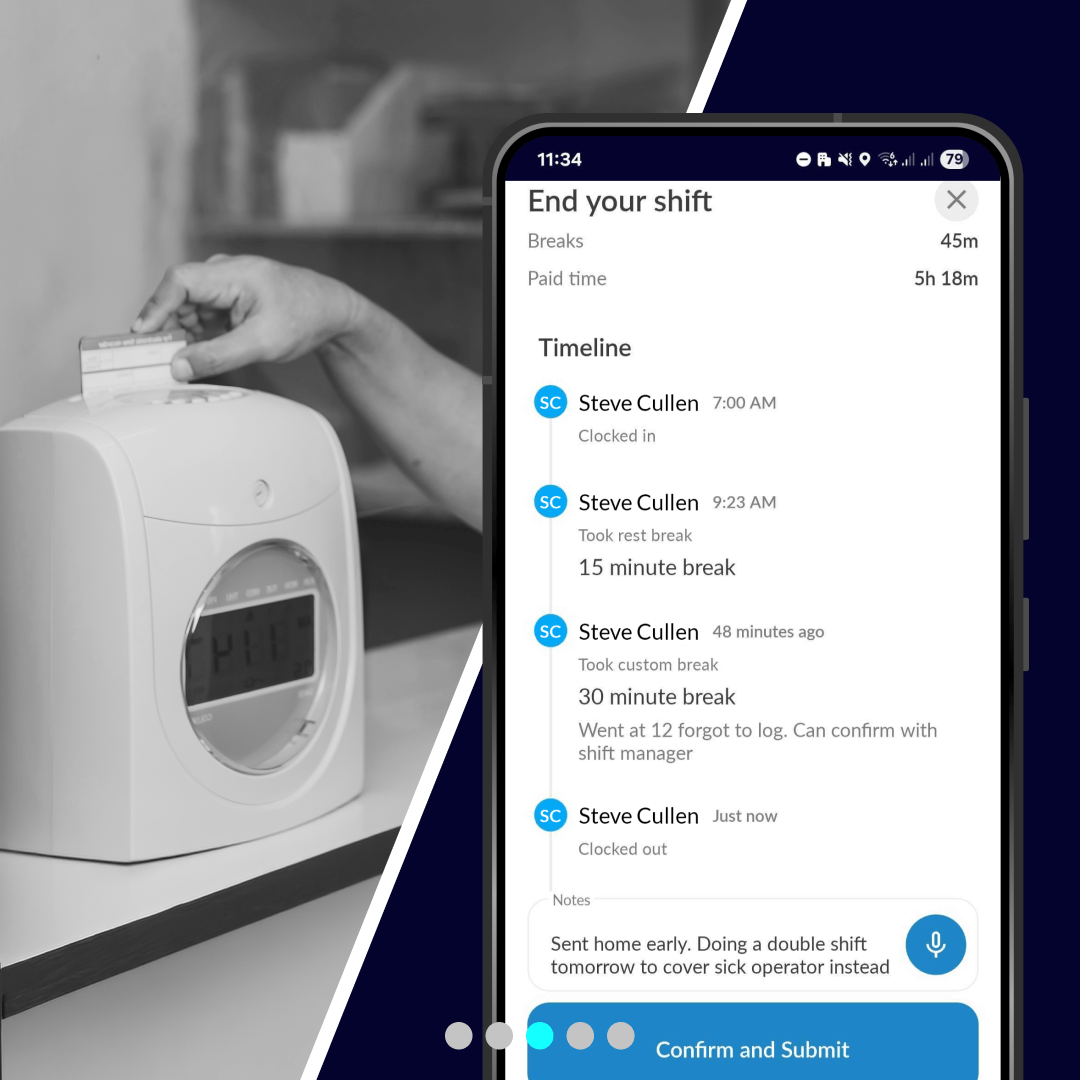
GPS guidance improved accuracy in the field. Digital mapping made it easier to define exactly where work needed to happen. Planning tools helped coordinate increasingly complex jobs. Live operational information connected managers with operators, while trusted digital records brought greater confidence to reporting and compliance.
Eventually, those individual capabilities became something much bigger: connected operations.
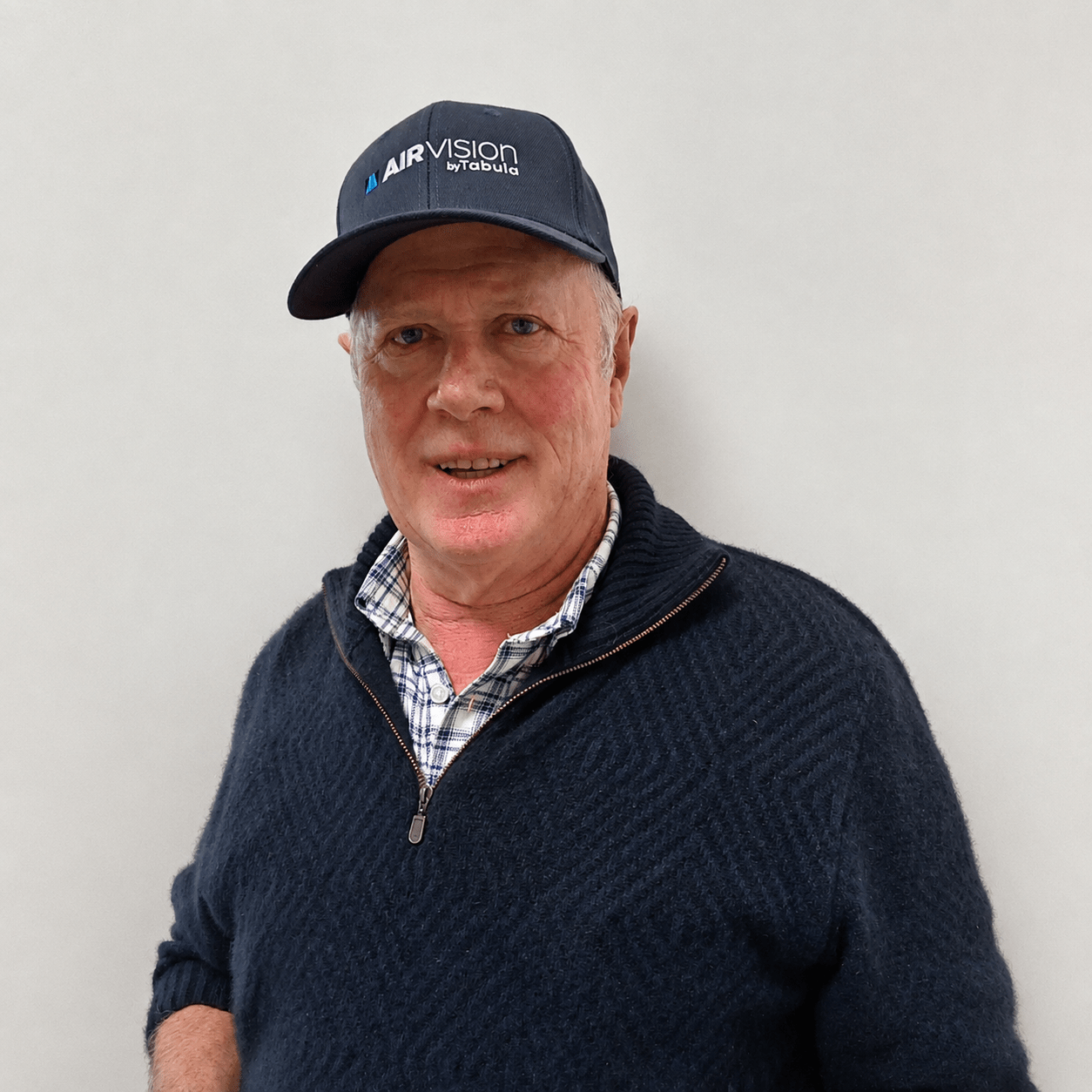
Gerald, Tabula’s longest-serving team member, has watched that evolution from inside Tabula since the beginning:
“One of the biggest things was introducing farm maps. Once we could push maps digitally, customers could click, measure and select blocks and fields for work. Our gear could tell them, ‘Hey, this is only 30 hectares, not 40.’ Having the right area and therefore the right amount of fertiliser for that area was massive.”
Evolving alongside our customers
Changing requirements have continued to shape the solutions Tabula provides.
What started with practical challenges around accuracy and proof of placement has expanded as the needs of agriculture, horticulture, aviation and emergency response have changed.
Today, organisations can plan work, coordinate teams, guide operators, capture records and monitor progress from one connected platform. And the evolution continues, with more tools keeping people, jobs and information flowing smoothly.
Live weather and environmental data supports decisions in the field, navigation and connected information helps teams work safely, while field data and digital records provide a clearer picture of what’s happening across the operation.
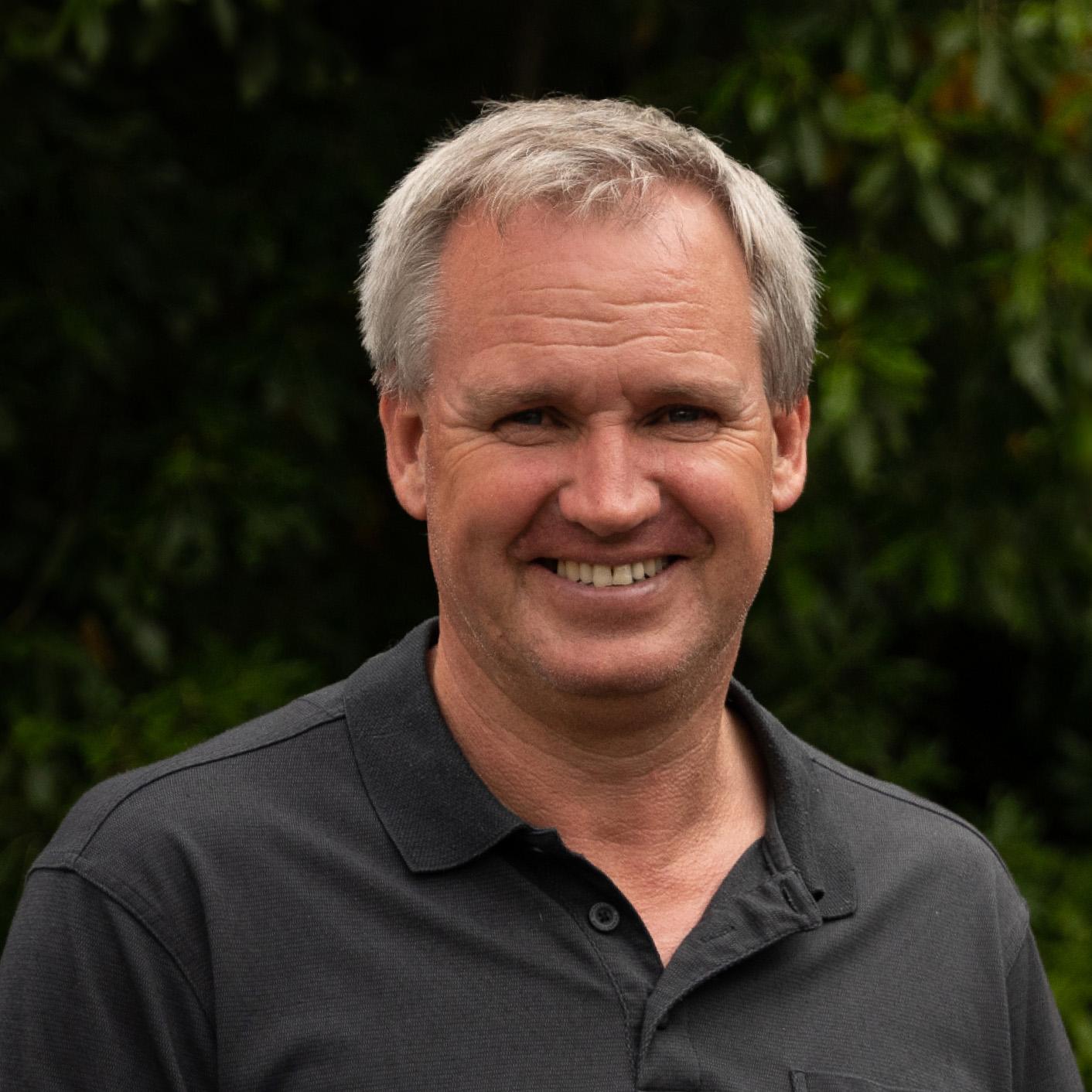
Tabula CEO Michael Whittaker notes:
“We developed our suite to serve as a complete operational platform, connecting planning, navigation and field data capture to maximise daily productivity and run safer, more efficient operations.”
Not because technology has replaced experience, but because good information helps people put that experience to work.
The next chapter
This year, Tabula celebrates twenty years since our first commercial units went into fertiliser trucks in New Zealand.
We’re reflecting on more than the technology we’ve built. We’re celebrating two decades of evolving alongside the people and industries we serve.
Because the challenges will continue to change. And so will we. Stay tuned for more.
See how this article builds from our previous: How Field Operations Have Changed.
Explore Tabula’s full range of tools and discover how we evolved our solutions to meet these changes by clicking here.