Precision Matters: AgFlite’s Story
See how Australian aerial operator AgFlite combines precision, safety and a long-standing partnership with Tabula to help shape the future of agricultural aviation.
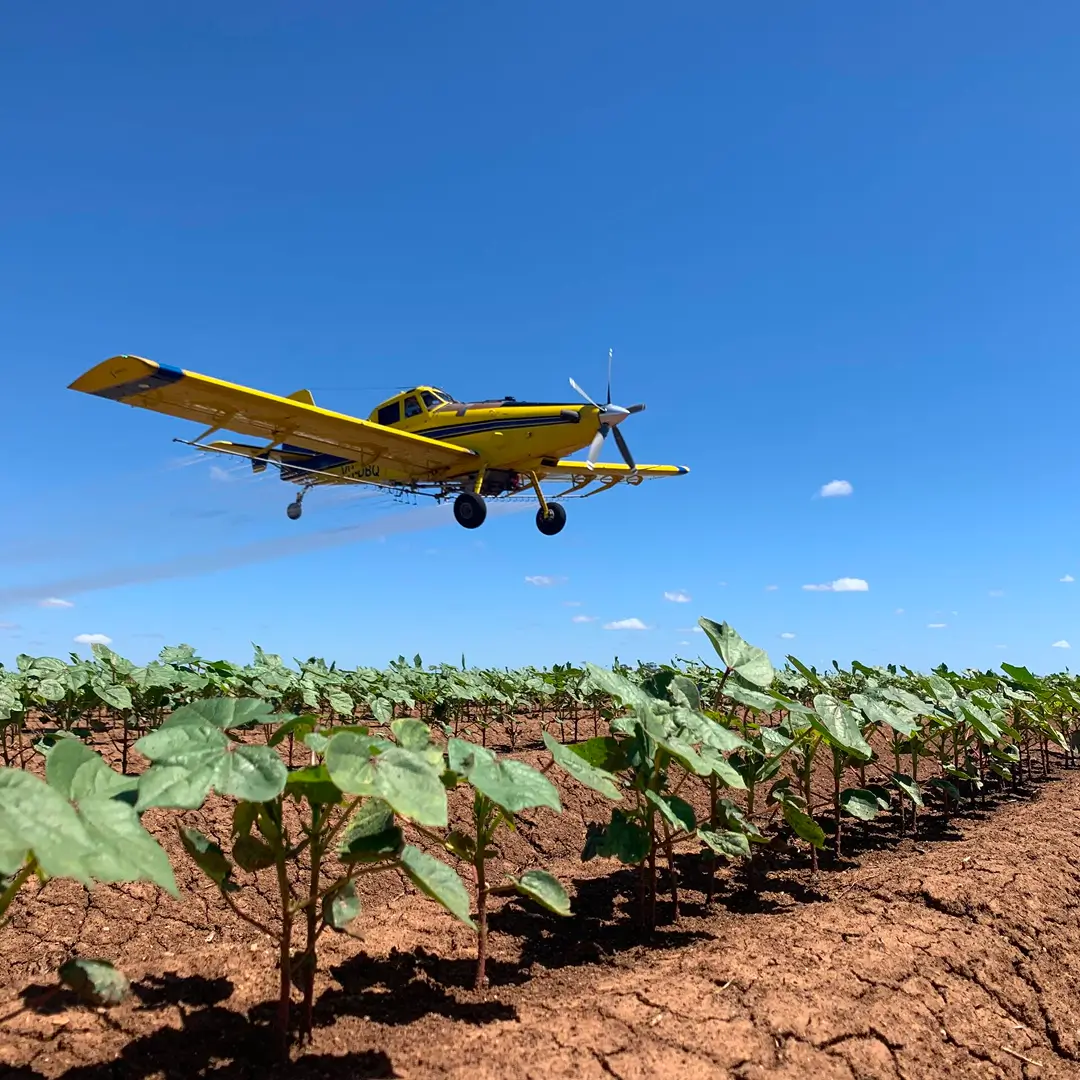
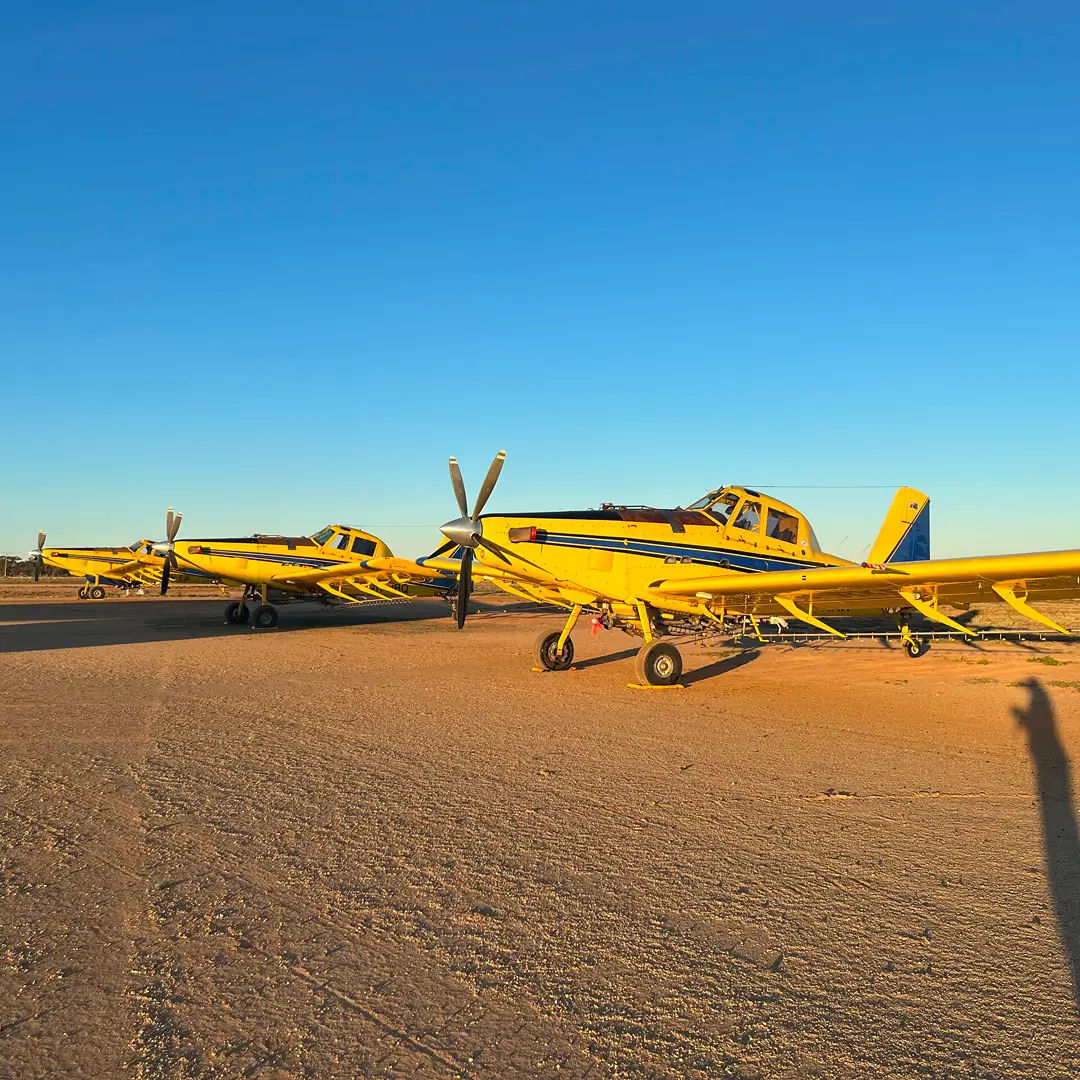
In the cotton fields of Hay, New South Wales, there’s very little room for error.
“When it comes to cotton, precision is key. If you’re 20cm out, just a blade of grass, you’ll know about it,” says Tegan Allott of AgFlite.
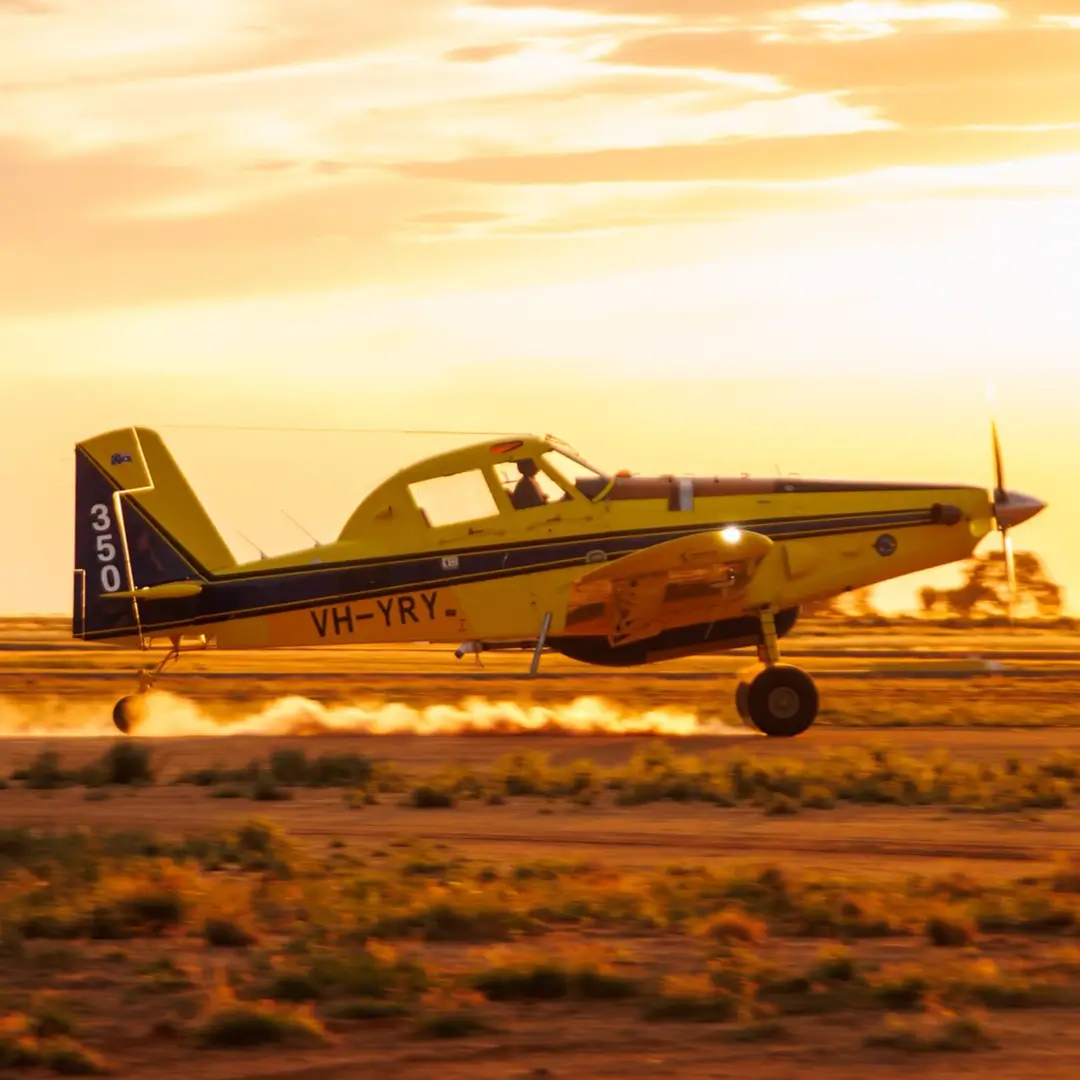
It’s something Guy Stevenson knows well. With 35 years of experience in agricultural aviation, Guy has watched the industry move from pilots navigating by eye to aircraft using GPS guidance, variable-rate technology and connected information to deliver increasingly precise applications.
Based in Hay, AgFlite works predominantly across irrigated cropping, including cotton, corn, canola, wheat and barley. Over the years, Guy and Tegan have seen both the technology and the expectations placed on aerial operators change considerably.
From flying by eye to precision application
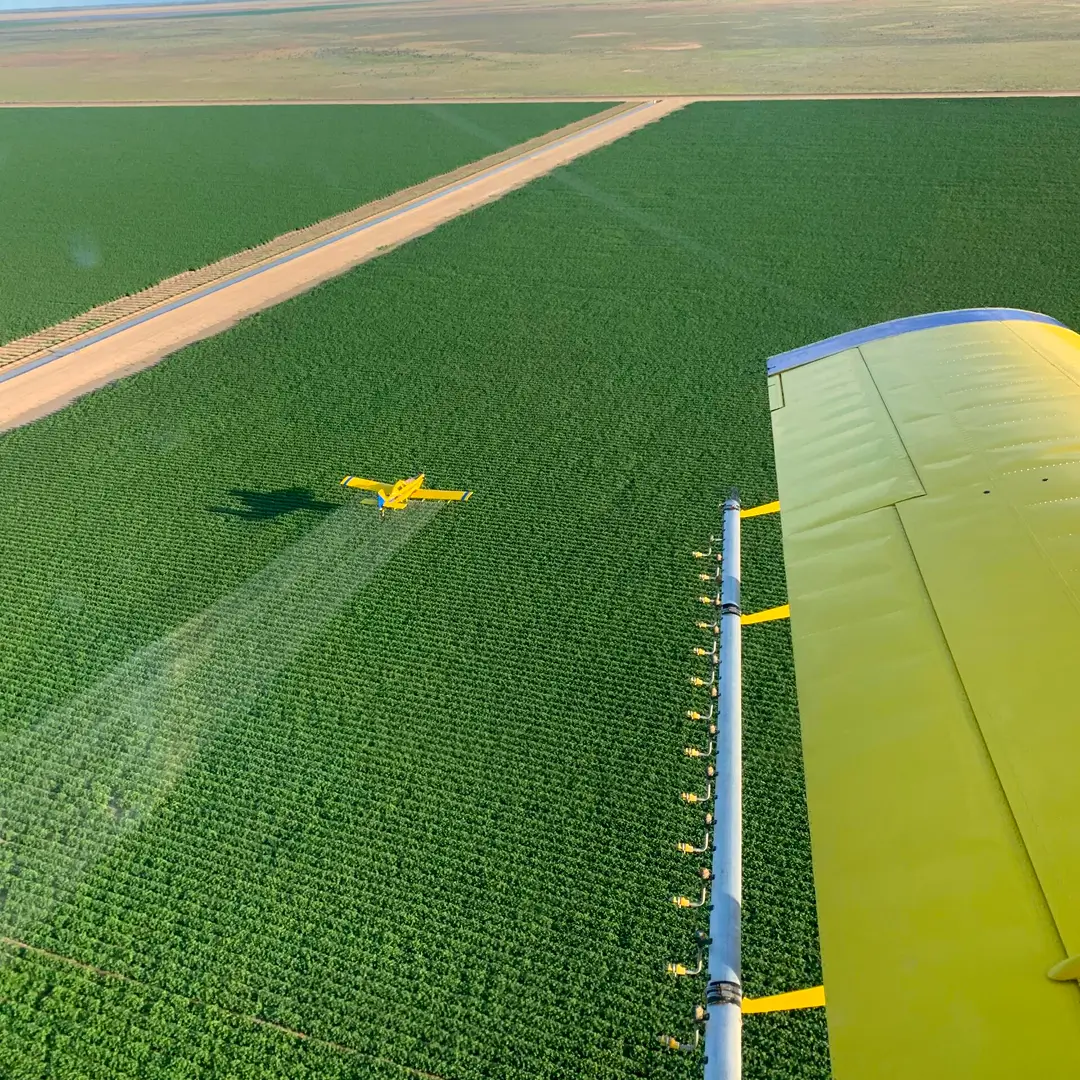
Guy remembers a time before GPS guidance and flow controllers, when accurate application depended heavily on a pilot’s judgement and experience. Today, digital maps and variable-rate technology allow aircraft to adjust application rates according to the needs of individual crops.
That progress has come alongside greater expectations around environmental stewardship, efficiency and accountability.
“We’ve had to increase our stewardship,” Tegan explains. “Tabula’s variable-rate technology enables us to do more accurate placements with better use of our inputs. It’s more accurate than it’s ever been before.”
For AgFlite, precision and accurate records go hand in hand. As the industry faces greater scrutiny, operators need to demonstrate not only that work has been completed, but exactly where and how.
“The industry has to focus on being above board and better at reporting today,” Tegan says. “Proof of application and tracking is essential. We must be able to show what we’ve done and exactly where.”
There are financial pressures too. With expensive aircraft, specialised chemicals and tight operating margins, avoiding unnecessary or inaccurate work is essential. As Guy points out, a substandard application could be costly for an operator to remedy.
Keeping the operation connected
AgFlite has used Tabula for over a decade, experiencing several generations of the technology as its capabilities have expanded.
What began with guidance and application accuracy has become a much broader part of how the team prepares for and manages its work.

Being able to see everything down to individual gate codes all in one place means that our focal point is Tabula. Be that on desktop, in the cockpit or on your phone. We want absolutely everything in there.
That access to information has changed the way pilots approach each job. Where paper maps once required additional preparation and communication, digital job information, mapped hazards and navigation tools now give crews a clearer picture before they arrive.
We would lose so much time if we were still using paper maps. Now we use Tabula’s Fly-To to get straight there, all the hazards are mapped out, you know what to expect. You’re prepared for the job.
The benefits extend beyond efficiency. Live tracking connects aircraft and ground vehicles, while shared hazard information helps pilots stay aware of risks identified by others working in the same area.
For Guy, that’s particularly important. “Anyone can create a hazard and it is shared across our group. Our job is dangerous enough as it is.”
More than a technology provider
Over the years, AgFlite’s relationship with Tabula has developed through collaboration.
Guy and Tegan haven’t simply adopted new capabilities as they’ve become available. They’ve provided feedback, helped test new tools and worked directly with the people developing them.
One example dates back around seven years, when AgFlite needed variable-rate flow control for its cotton operations.
“We mentioned one November we wanted a flow controller with variable rate. By the next month we were testing it for Tabula. And we’re still using it seven years later,” Guy recalls.
For a business operating in a demanding and specialised industry, having that direct connection with the development team has made a lasting impression.
“It’s so cool the tech team listened to what we wanted,” Guy says.
The relationship continues today, with AgFlite still contributing to testing and development as new capabilities emerge.
It’s a partnership that reflects how Tabula has grown over the past 20 years — listening to the people doing the work, understanding what they need and building technology that evolves alongside them.
Looking to the next challenge
For all the advances in technology, the future of AgFlite remains closely connected to the farmers it serves.
Water availability, commodity prices and rising equipment costs all influence the viability of agricultural aviation. Aircraft are expensive to operate and maintain, and operators face constant pressure to deliver more efficiently without compromising accuracy or safety.
“Like any aerial operator, or contractor even, we need the farmers to be doing well,” Guy says.
For AgFlite, the answer lies in continuing to improve how work gets done — making better use of inputs, reducing unnecessary costs and keeping people informed and prepared.
It’s also why the relationship with Tabula remains important. After more than a decade working together, AgFlite is still helping test the tools that could shape the next generation of agricultural aviation.
Twenty years into Tabula’s own journey, that’s a fitting example of how innovation happens: not simply in a development office, but through conversations with the people putting the technology to work.
Next in this series: Hear from Gerald Harrex — Tabula’s longest-serving team member — about the changes he’s seen take place across our full twenty years of evolution.