Where It All Began: From New Zealand Innovation to Australian Growth
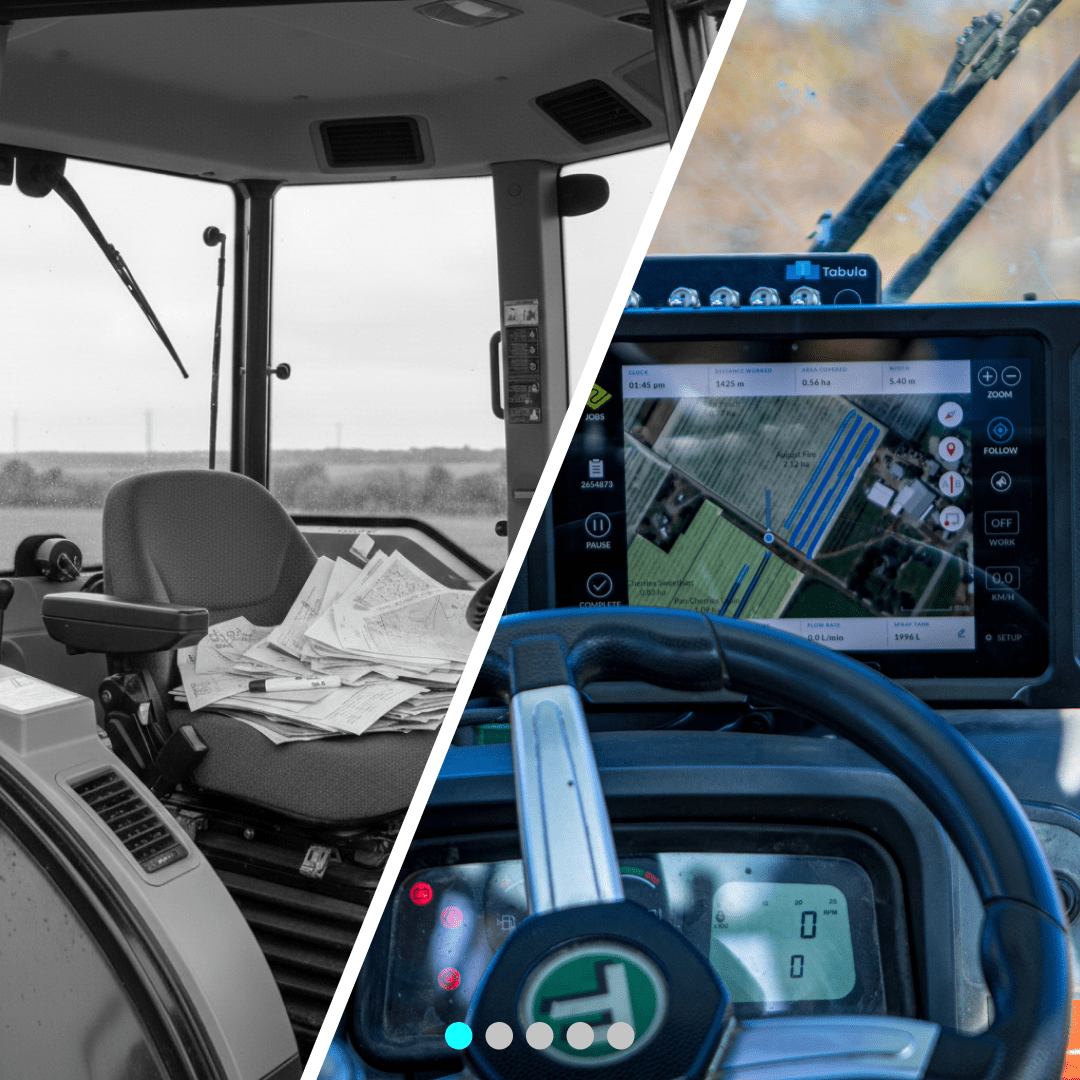
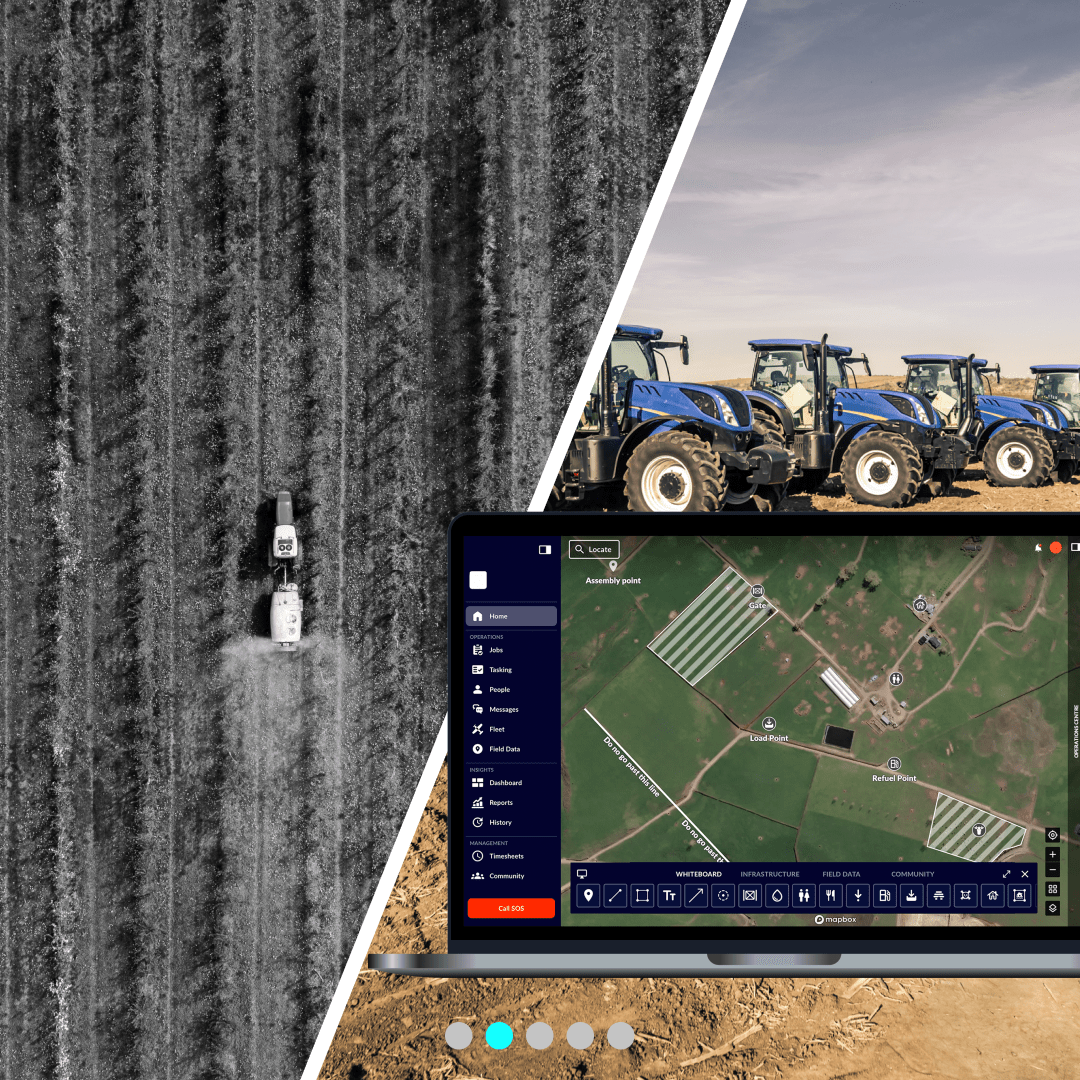
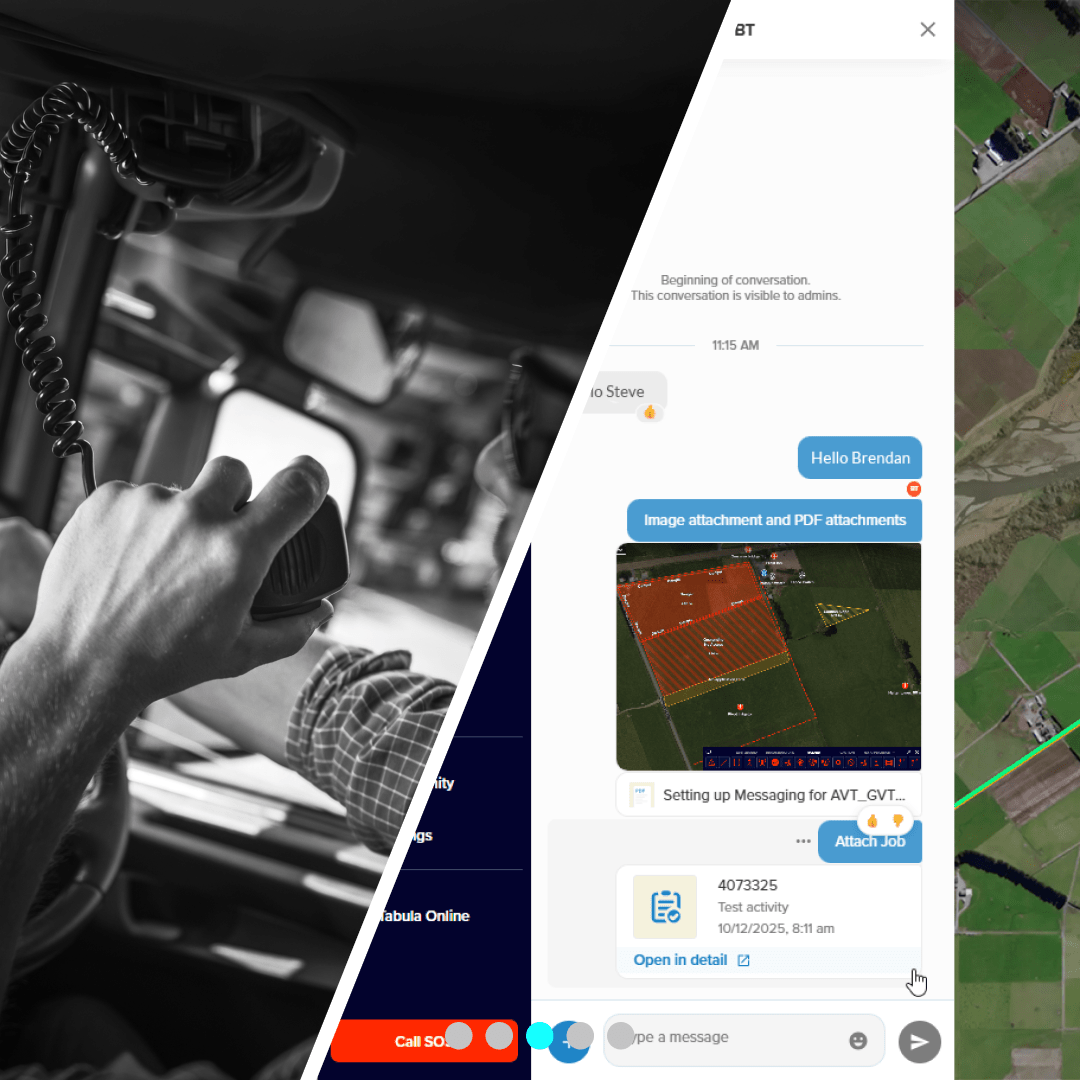
Field operations have changed dramatically. Tighter margins, greater compliance requirements, more mobile teams and new technology have all changed what it takes to get the job done.
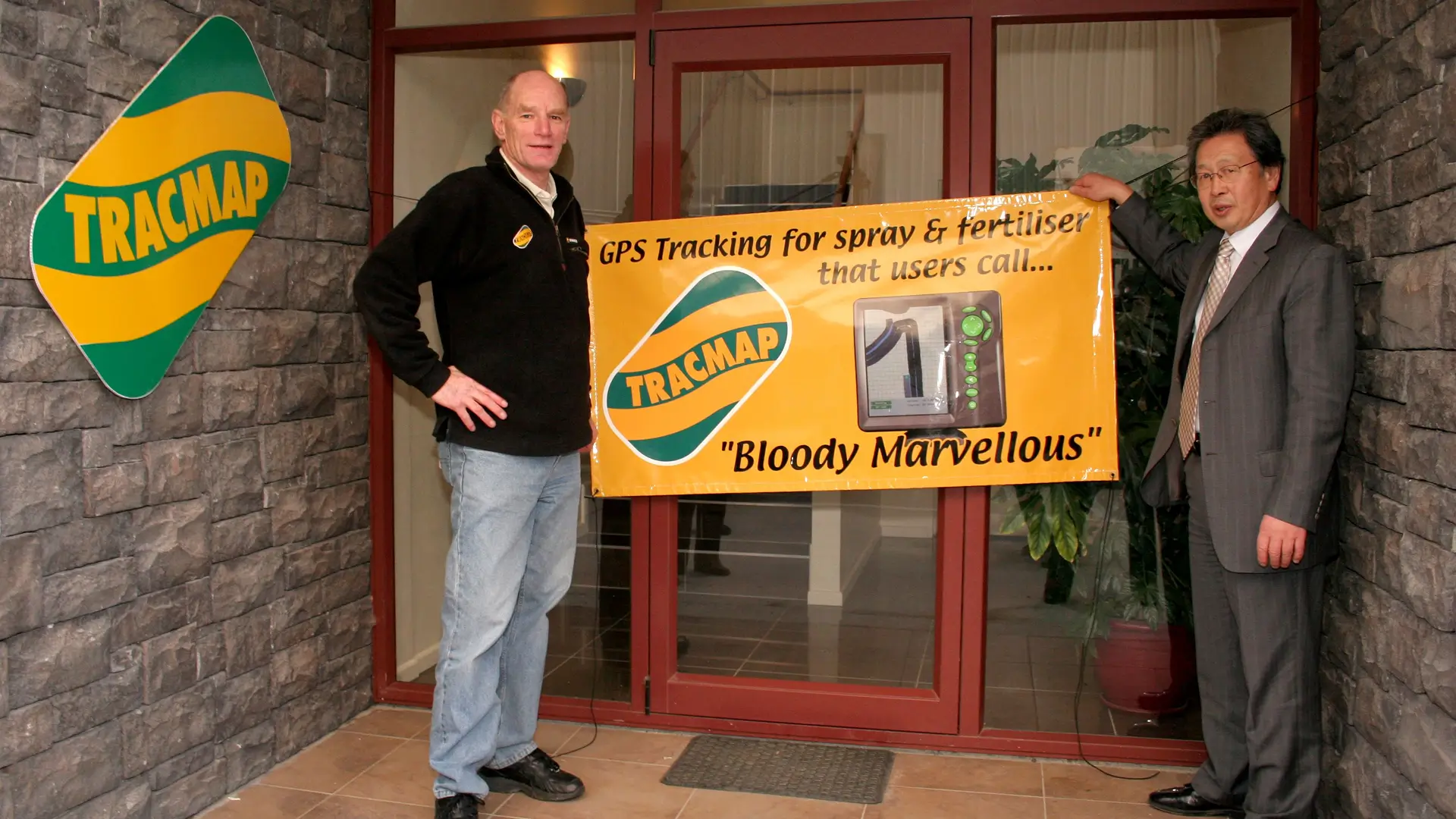
Every journey starts somewhere. Ours starts with a fertiliser truck, a small technology shop and a big question.
In 2005, Tabula founder Colin Brown was thinking about a challenge facing New Zealand agriculture. Farmers and contractors needed to apply inputs more efficiently, but they also needed a reliable way of proving exactly what had been applied and where.
As Colin remembers it:
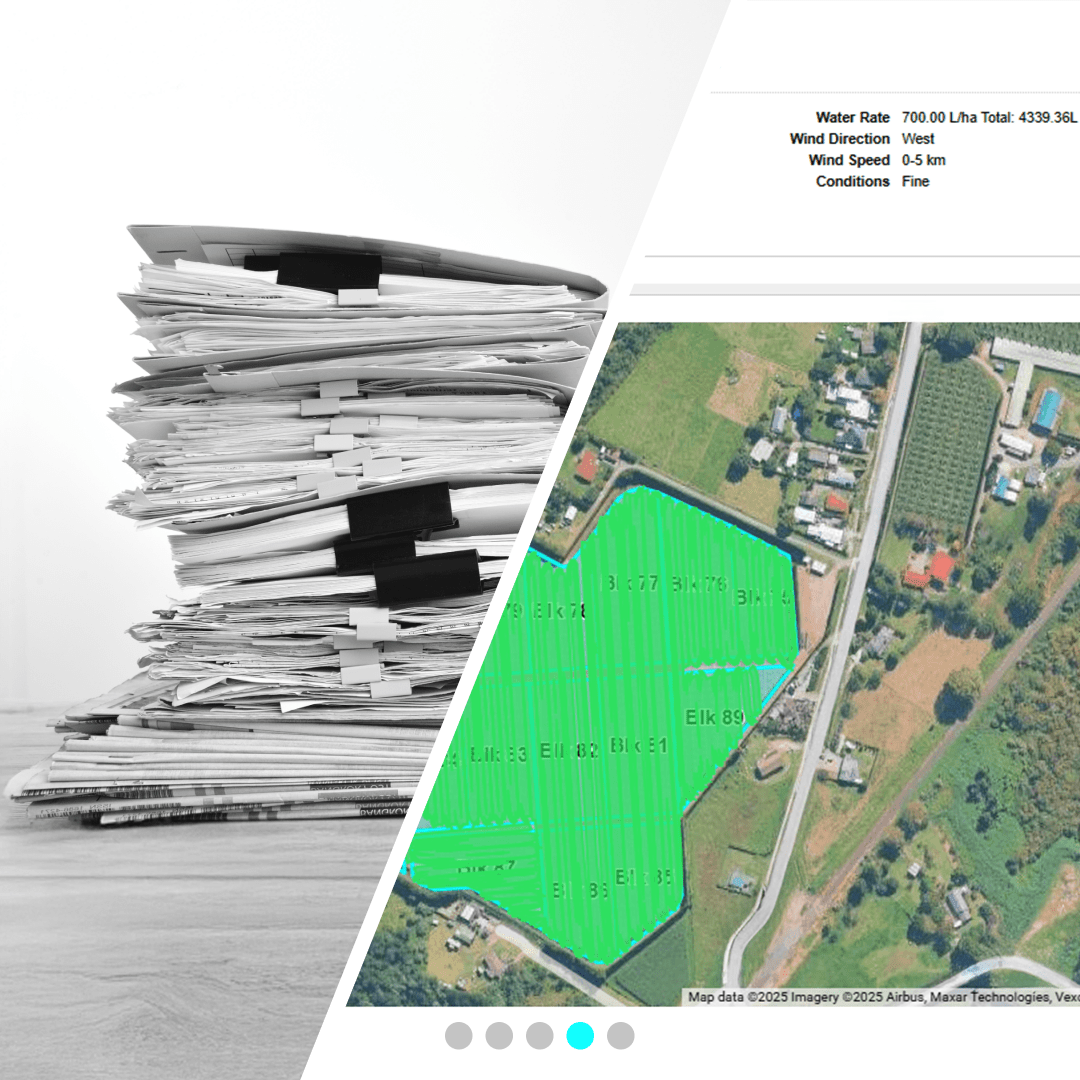
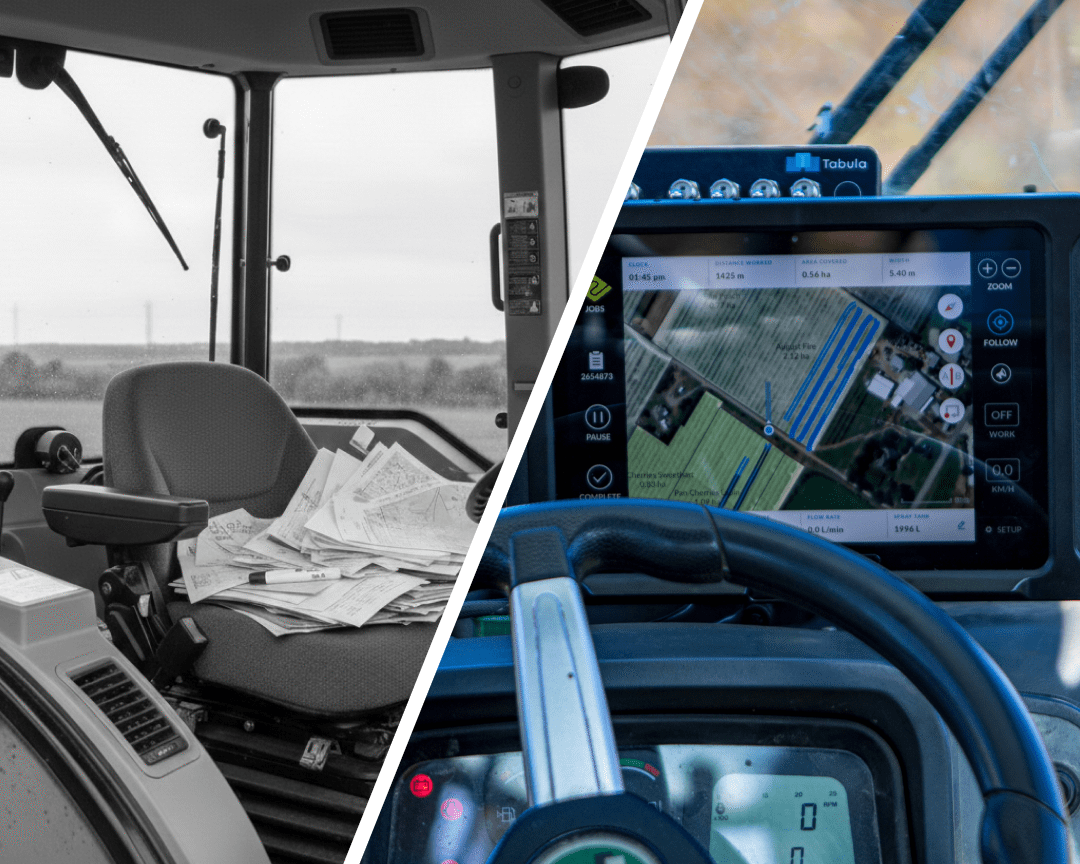
“Farmers were putting fertiliser on, but the validation of what was applied and where basically didn’t happen. Looking at the UK and Europe, I knew that if we wanted to continue selling into those markets, we needed a validation system. I didn’t want New Zealand agriculture to be forced down a paper-based route or have that become a non-tariff trade barrier.”
The problem was clear. The solution arrived from a rather unexpected place.
An idea begins to take shape
“One day I walked into a small tech shop that was putting GPS systems into street-sweepers, and it clicked. Could we use that same technology to track what happens and record what we’re putting out?” Colin said.
It was happenstance. But it was the beginning.
In the mid 2000’s, GPS wasn’t new. Systems were already being used in conventional cropping overseas, but New Zealand presented a very different environment.
“We needed something that worked when driving a fertiliser truck over steep, rough country. We needed something that was simple to operate and worked in that environment.” Colin continued.
Simple to operate was important. This was technology that needed to work in a moving vehicle, in rough country, for people whose job was spreading fertiliser — not operating computers.
The first attempt looked very different from the technology sitting in vehicles today.
“Our proof of concept took up about half the passenger seat of my car. It was a cobbled-together system of a PC, inverter and screens, and I drove it around showing people in the industry what we were trying to do.”
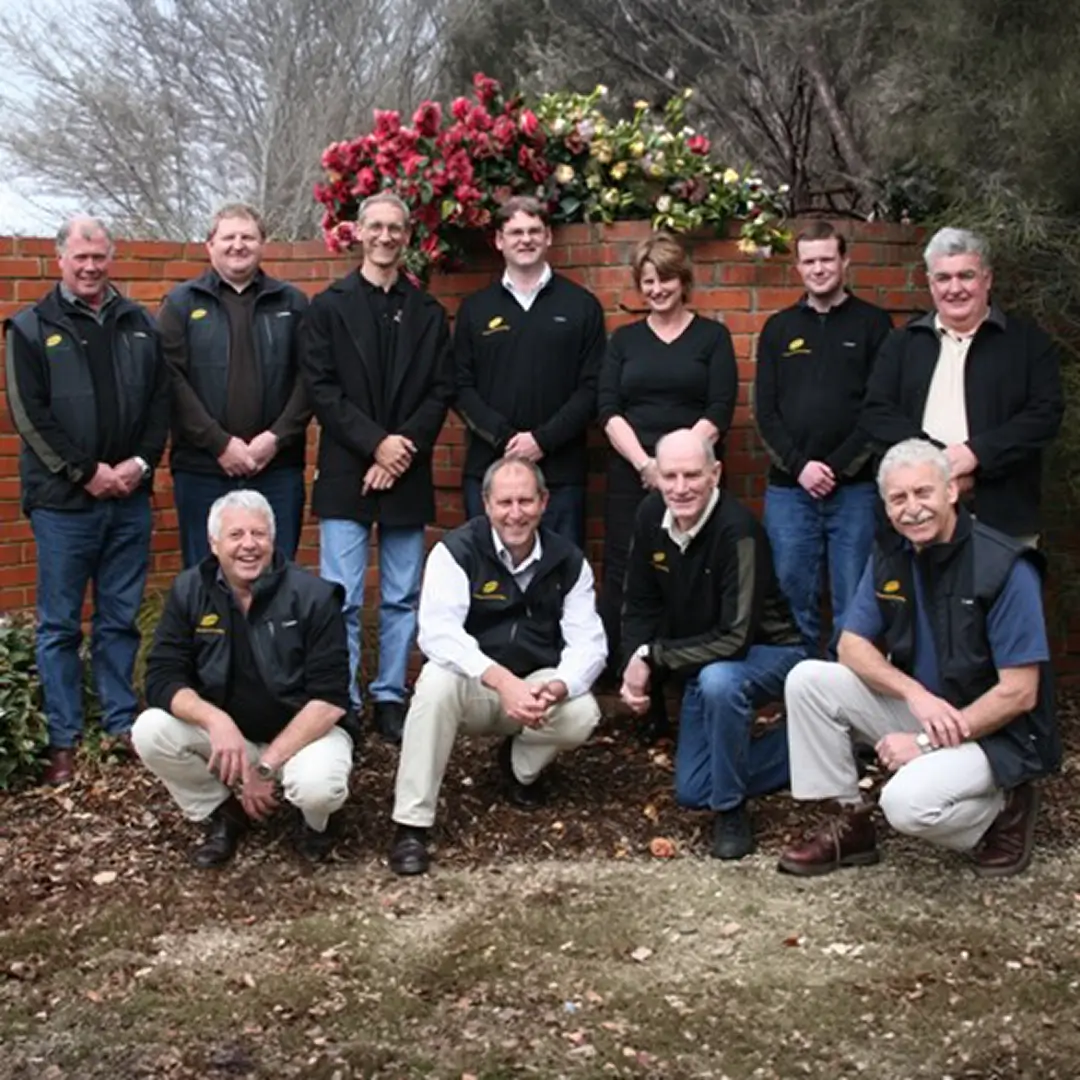
Colin wasn’t doing it alone. Gerald, now Tabula’s longest-serving team member, was one of the people who saw potential in what was being built.
“When Colin demonstrated the guidance system, I suddenly grasped the opportunity. I thought I should get in behind Colin — he’s a clever man.”
Taking an idea on the road
The technology had potential. Now somebody had to convince people to buy it.
Gerald travelled around New Zealand demonstrating the system face-to-face, drawing on his own background to explain what it could mean for contractors and farmers. Gerald remembers:
“Colin was getting good interest, but we still had to sell it. I travelled a lot around New Zealand doing face-to-face demonstrations. We had to sell ourselves and show that we had genuine intentions. I could relate to the contractors and farmers because of my agricultural and mechanical background.”
There were nerves, too. This was a small team trying to turn an idea into technology people could depend on every day.
Colin presold the first 50 units and asked customers to put down a deposit before the finished product was in their hands. For him, that commitment was an important signal that the problem was worth solving.
“They were willing to invest in our idea, and that showed their willingness to find a solution.”
Gerald recalls another turning point:
“I was slightly nervous at the start, to be honest, until the orders started ramping up. Getting the contract with Weallans, the largest ground spreading operation in New Zealand, and other large contractors gave us confidence. Once it started ramping up, things moved pretty quickly.”
In October 2006, the first commercial TracMap units were installed into fertiliser trucks in New Zealand.
And with that energy, what became Tabula was born.
Built around the people using it
Those early systems weren’t sleek by today’s standards. Installing the various components could take hours, software updates involved USB dongles, and the hardware had to survive an environment far removed from an office desk.
But the principle behind the product was already taking shape: start with the operator and the job they needed to do, and work backwards from that. Colin said:
“It became apparent we had to create a system for people who didn’t use much technology. It had to be operated at 30 kilometres an hour, with a readable screen even with the sun beaming in and high-vis vests reflecting off it.”
And it had to work.
“There was a willingness to find a solution—that was palpable—but it had to be effective, simple to operate and robust. It couldn’t work three-quarters of the time. It had to work.”
That approach paid off. Colin recalls that once drivers got their units,
“They absolutely loved them. It enabled them to do their job more effectively.”
Across the Tasman
What started as a solution to a distinctly New Zealand agricultural challenge didn’t stay in New Zealand for long.
As TracMap gained customers at home, the same fundamental needs existed across the Tasman: accurate application, reliable proof of placement and technology designed around the realities of agricultural work.
Expansion into Australia became TracMap’s first significant step beyond home. It also proved something bigger. The technology might have been developed around New Zealand conditions, but the problems it solved weren’t confined by geography.
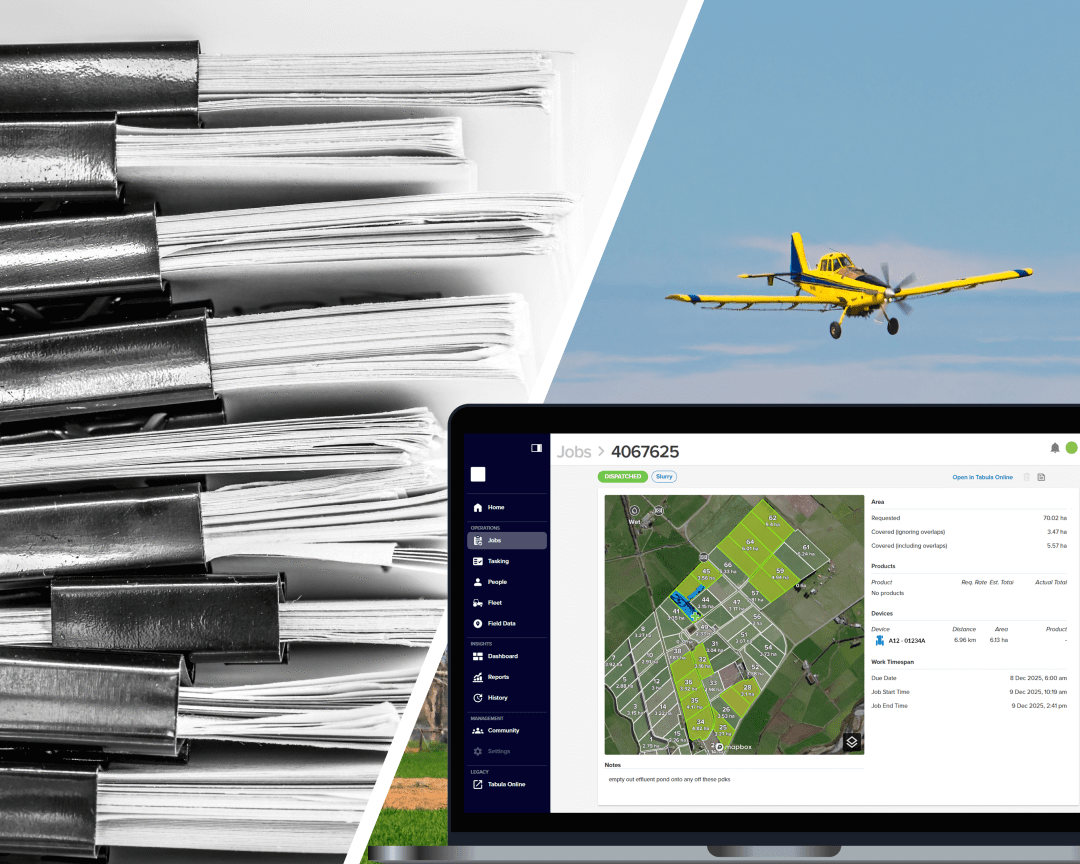
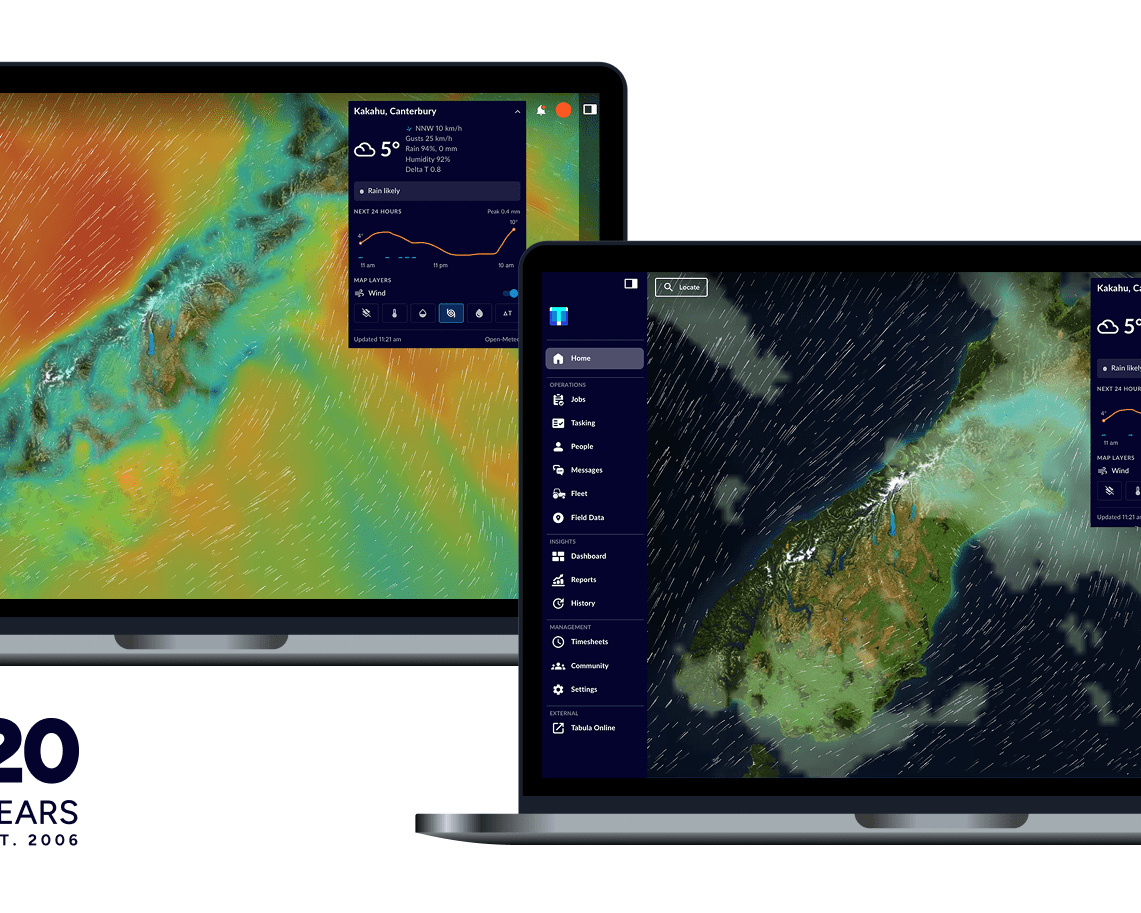
The technology would continue to evolve. Screens would get smaller. Software would get smarter. Mapping, planning, live information and new ways of connecting people and machines would follow.
But the idea that started it all remains recognisable twenty years later: understand the real problem, build something practical and evolve as the people using it evolve.
From one prototype that took up half a passenger seat, to operations across multiple industries and countries, there was plenty still to come.
Colin recalls a founding member of the team literally re-writing code in the back of a truck while they were headed between demonstrations. Today, Tabula joins entire complex operations in an end-to-end platform that operates around the world and across multiple industries.
Popping into a shop on the off-chance was where it began. But this was only the beginning.
Next in the series: Meet a grower who has evolved alongside us.