Growing Together: Riverlea Contractors
Field operations have changed dramatically. Tighter margins, greater compliance requirements, more mobile teams and new technology have all changed what it takes to get the job done.
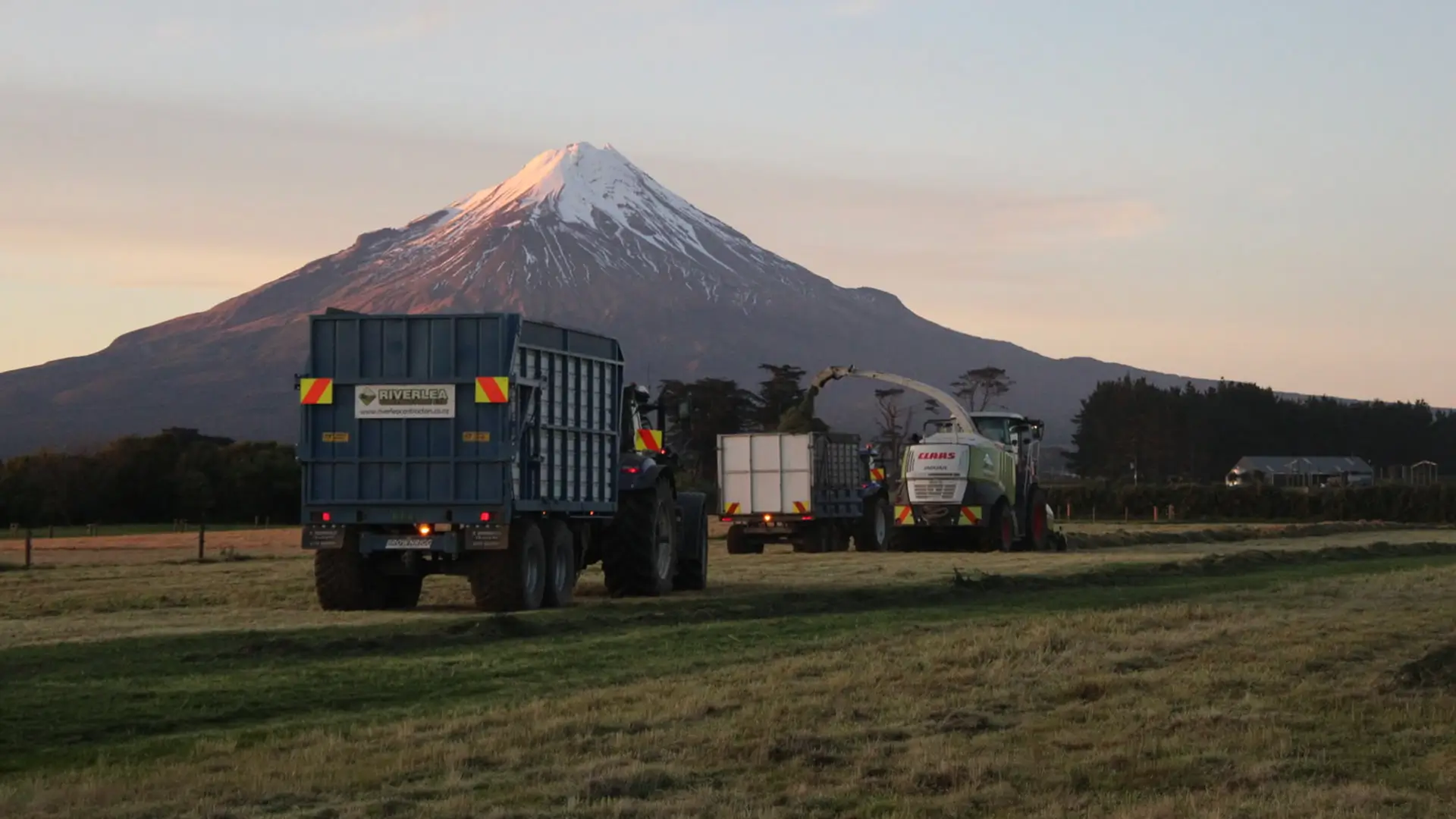
Twenty years can change a lot.
When Tabula’s first commercial units went into New Zealand fertiliser trucks in 2006, Riverlea Contractors was already two decades into its own story. Mike and Charlie had taken on the family operation, five Fiat tractors were doing the work, and keeping in touch with the team looked very different to today.
“The type of communication we had was a brick cell phone, and only the boss had that,” Mike remembers. “We had to ring on the landline at lunchtime, 3pm or 7pm.”
Riverlea’s story began in 1985 with Mike’s parents and their neighbours. Mike and his wife Charlie joined the operation in 1996, and over the years they’ve watched agricultural contracting transform around them.
Their business has transformed with it.
And since 2013, Tabula has been evolving alongside them.
More tractors, more services, more to manage
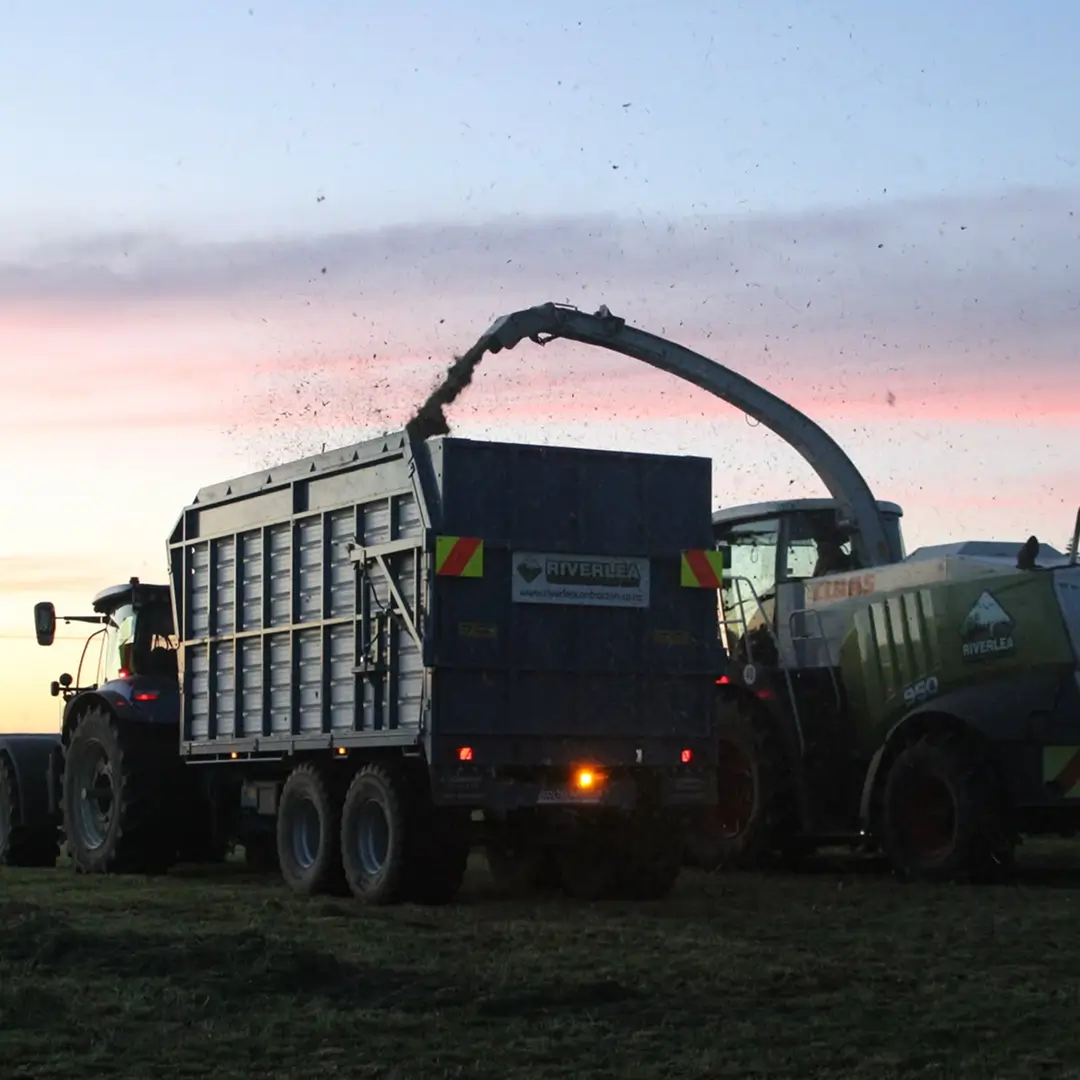
Riverlea started out primarily harvesting grass. Over the years, cultivation and grass seeding followed, along with effluent work and fertiliser spreading, which is now a significant part of the operation.
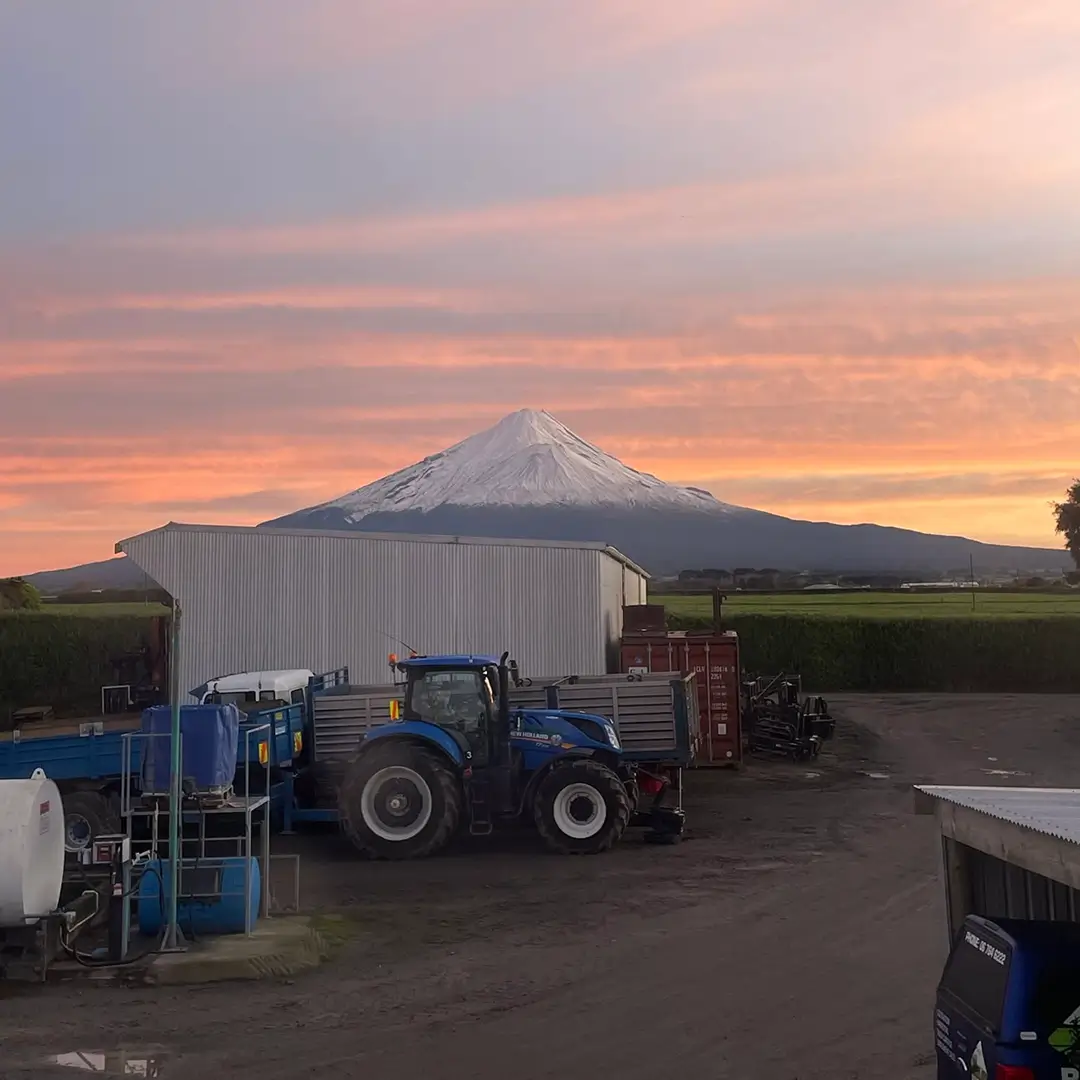
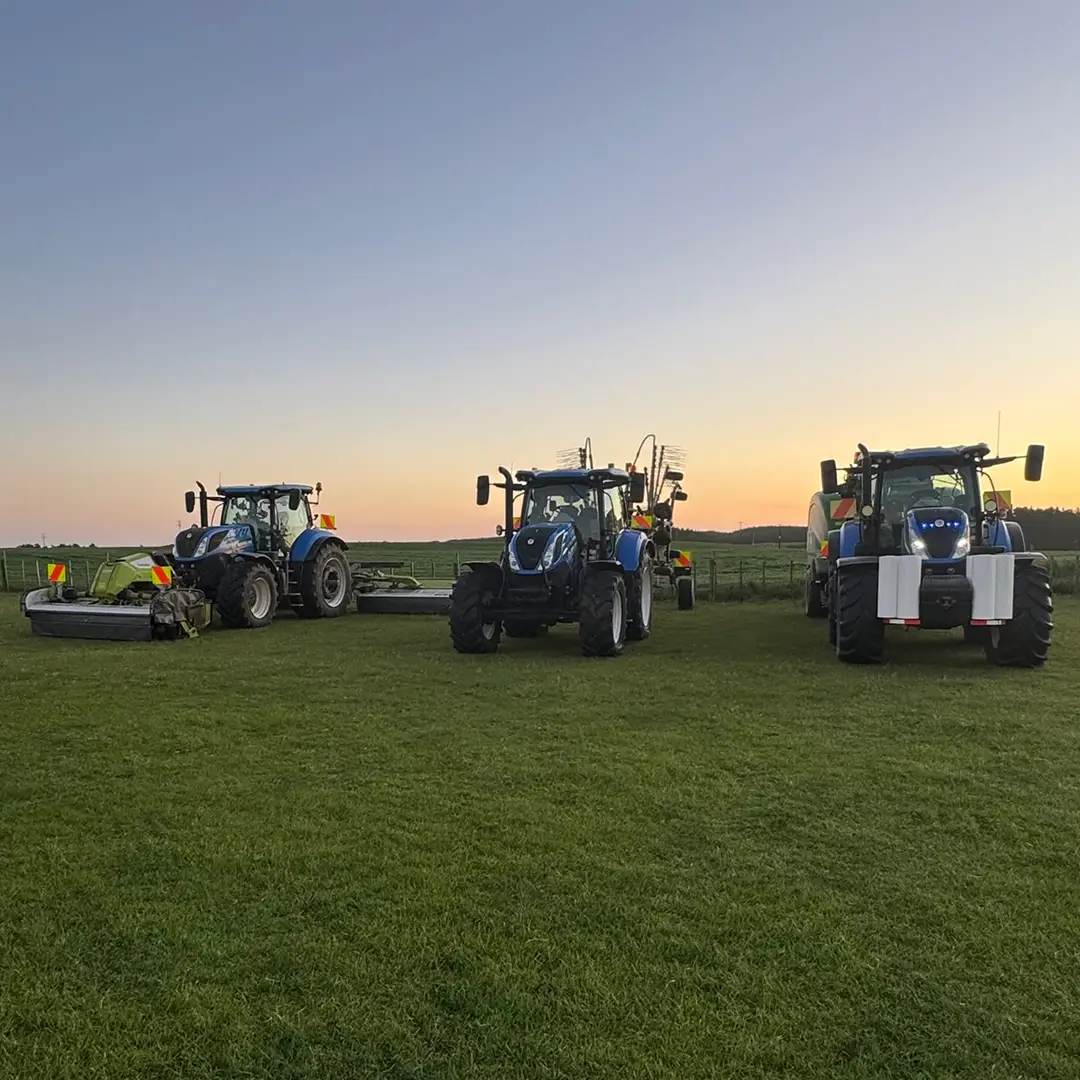
Today, the fleet includes 16 tractors, three trucks, telehandlers and other specialist machinery. Eight full-time staff grow to around 16 during the busiest parts of the season.
With that growth came a very different challenge: keeping track of more people, more machinery and more work happening across different properties.
In 2013, Riverlea began using what was then TracMap. One of the initial drivers was straightforward — they needed reliable proof of placement for effluent applications.
For Charlie, adopting the technology meant entering unfamiliar territory.
“The technology was a massive learning curve, but it was so exciting to see what it could do.”
And it didn’t take long for the technology to start changing the way Riverlea operated.
Changing the way the job gets done
Digital mapping was one of the early breakthroughs.
Accurate job areas gave the team information they could use well beyond simply knowing where a tractor had been. Riverlea eventually changed the way it charged for some work, moving to hectare rates because the mapped areas gave them the accuracy to do it confidently.
“It’s a massive step. From what was TracMap, to what we can get out of Tabula today has evolved a lot,” Mike says. “The info coming back from jobs alone…”
Today, another capability has become difficult to imagine operating without.
“Live tracking has become essential. Knowing where tractors are in real-time, how operators are doing in the day and planning the next job. Keeping the job flowing.”
For a contracting operation with people and machinery spread across the countryside, knowing where everyone is also provides something more important than efficiency.
Riverlea saw that firsthand in their first year using Tabula. An operator working in the field had an accident, and when the tractors remained stationary for an unusual amount of time, the team tried to contact them via RT and cellphone, but couldn’t contact them. Sensing something wasn’t right, and unable to reach the operator, they used the GPS location to go directly to them and get them the help they needed.
More than a decade later, that ability to look out for people working remotely remains important to Charlie.
“Another massive thing for us is when operators are working alone, on steep terrain for example, it can be dangerous. But we can see if something’s stopped.”
Newer tools such as SOS have continued to build on that connection between the people back at base and those out doing the work.
Growing alongside each other
Riverlea’s evolution over the past three decades reflects just how much agricultural contracting itself has changed.
Tabula’s Gerald Harrex, who has watched that change unfold since 2006, puts it simply:
“Operations today are totally different. Maps on screen is the norm. The operator efficiency today is amazing. Being able to track vehicles, see where jobs are up to and know how accurately you’re spreading — it’s all increased ten-fold.”
For Riverlea, the change hasn’t happened overnight.
Five tractors became 16. Grass harvesting expanded into a much broader contracting operation. Landline check-ins gave way to digital maps, proof of placement and live information coming back from the field.
And the technology they first adopted in 2013 has kept changing with them.
“Tabula just keep on throwing out new things and new technology,” Mike says. “It helps us keep efficient.”
What comes next? Mike isn’t entirely sure — and that’s part of the fun.
“Technology is moving forwards fast. I don’t know what more they can do, but I’m always surprised and remain open-minded.”
Perhaps Riverlea’s dispatch team has the better question.
“How did we operate this business without Tabula!?”
What’s next in this series:
Meet a Horticultural enterprise that’s also benefited from Tabula during the last 20 years.

I was slightly nervous at the start, to be honest, until the orders started ramping up.
Getting the contract with Weallans, the largest ground spreading operation in New Zealand, and other large contractors gave us confidence. Once it started ramping up, things moved pretty quickly.