Creating the Connected Platform: TracMap Becomes Tabula
Field operations have changed dramatically. Tighter margins, greater compliance requirements, more mobile teams and new technology have all changed what it takes to get the job done.
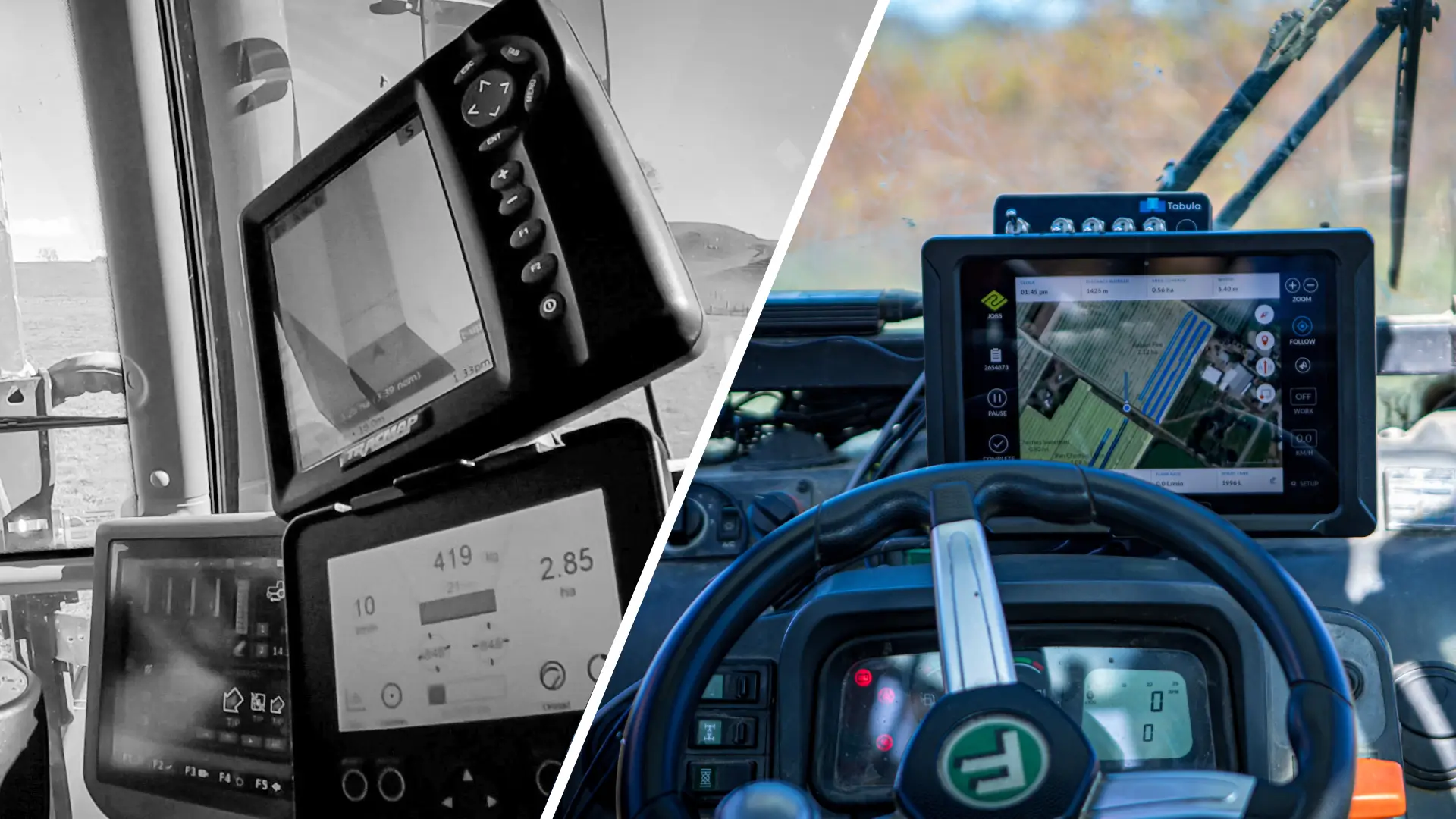
There comes a point when a name no longer fits.
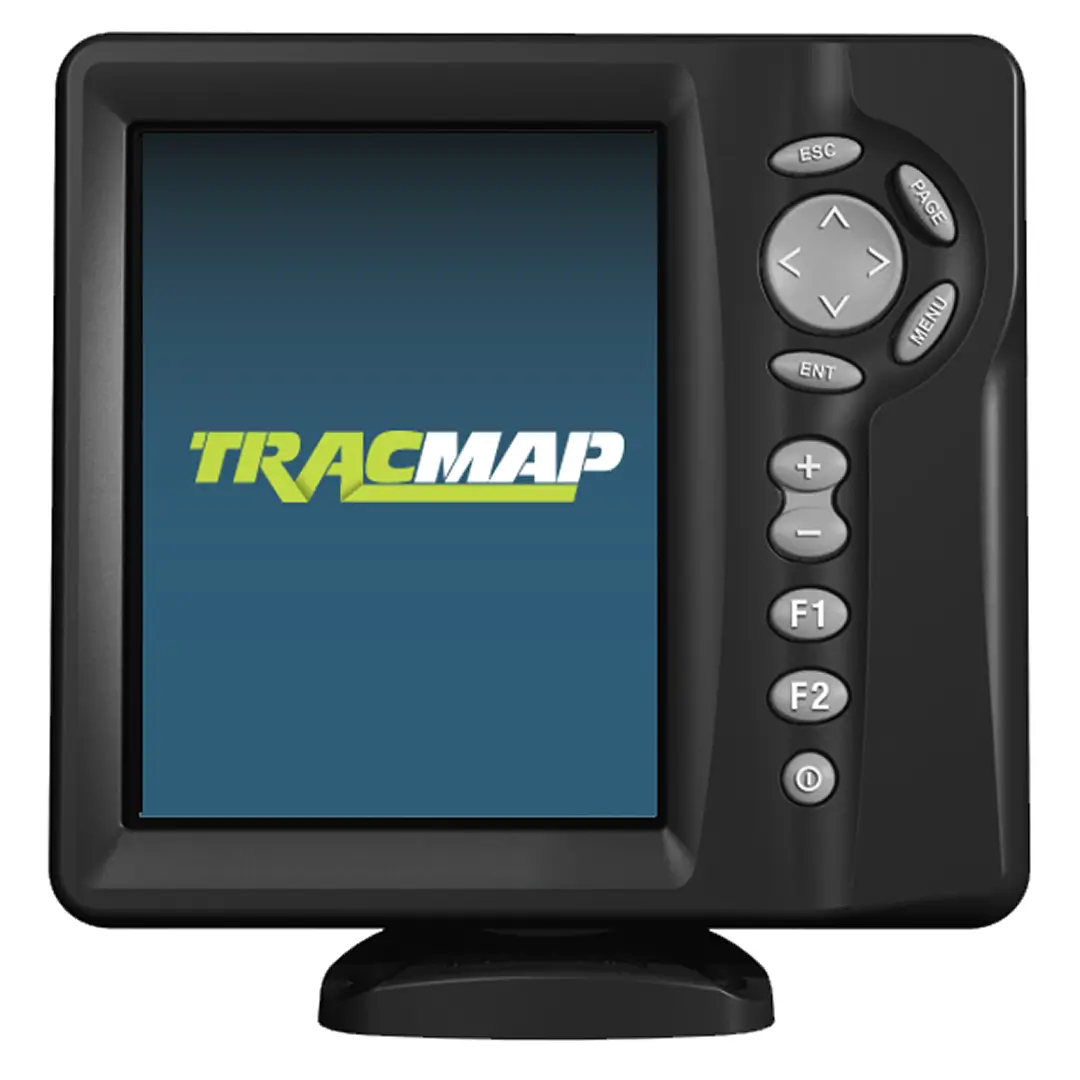
TracMap began by solving a practical problem. GPS guidance and proof of application gave operators greater accuracy and confidence in the field. For many businesses, that was exactly what they needed.
But it didn’t stop there.
As our customers grew, so did the challenges they faced. Businesses became larger, operations became more complex and information became just as important as machinery.
The questions changed too. It was no longer just about where work had been completed. It was about how to plan it, coordinate it, communicate it and have confidence that compliance requirements were being met.
Every new challenge became an opportunity to build something better.
More Than GPS Guidance
Today’s Tabula — the end-to-end operational platform — was born from the desire to solve the next problem.
One customer needed better planning. Another wanted to reduce paperwork. Others needed stronger communication between office and field, or better visibility across multiple crews, vehicles and jobs.
Over time, we connected the solutions to those challenges.
Planning linked with field work. Communication linked with operations. Records linked with reporting. Information that once lived in separate places became part of one connected workflow.
Eventually, we realised something.
TracMap no longer described what our customers relied on us for every day.
It described where we’d started. Not where we were going.
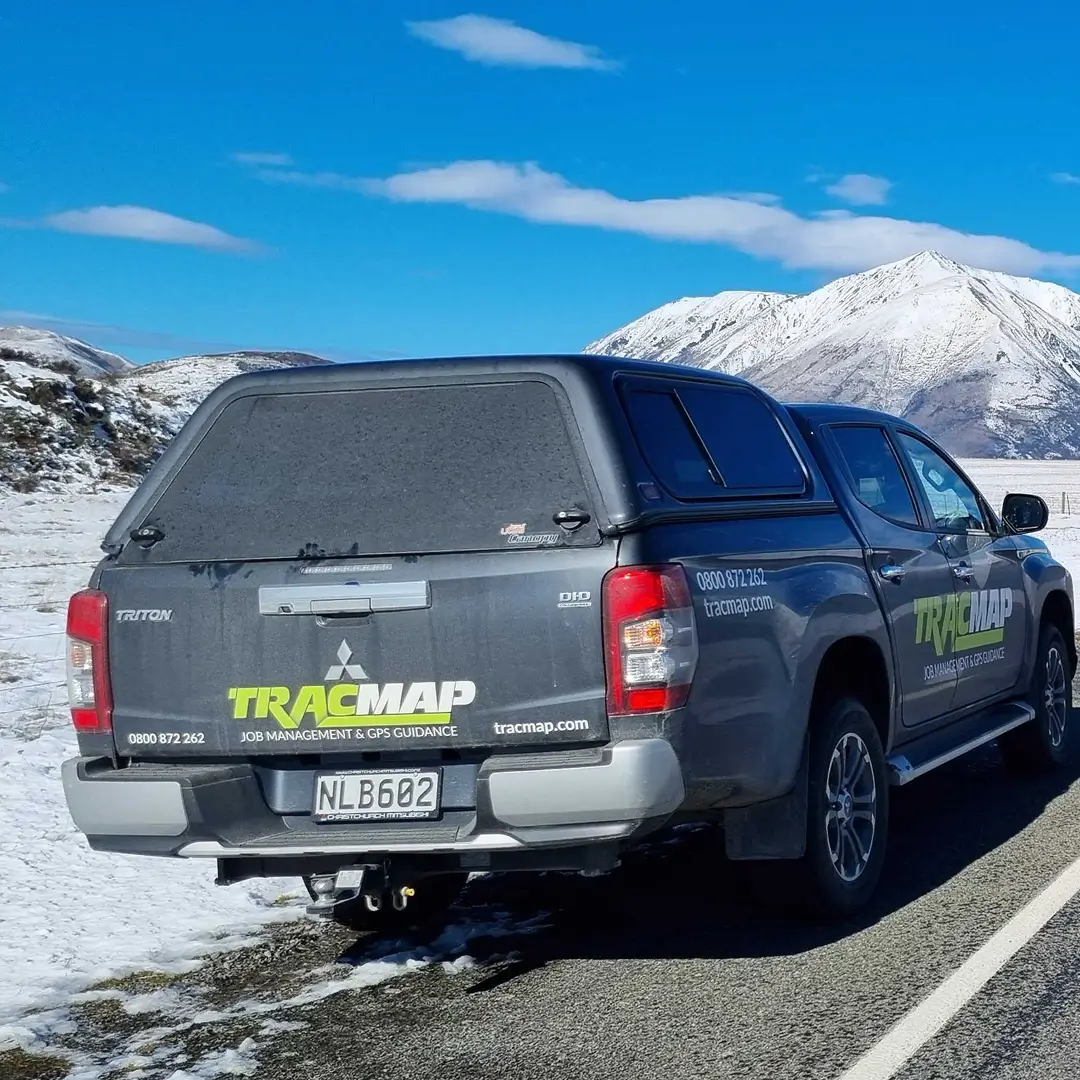
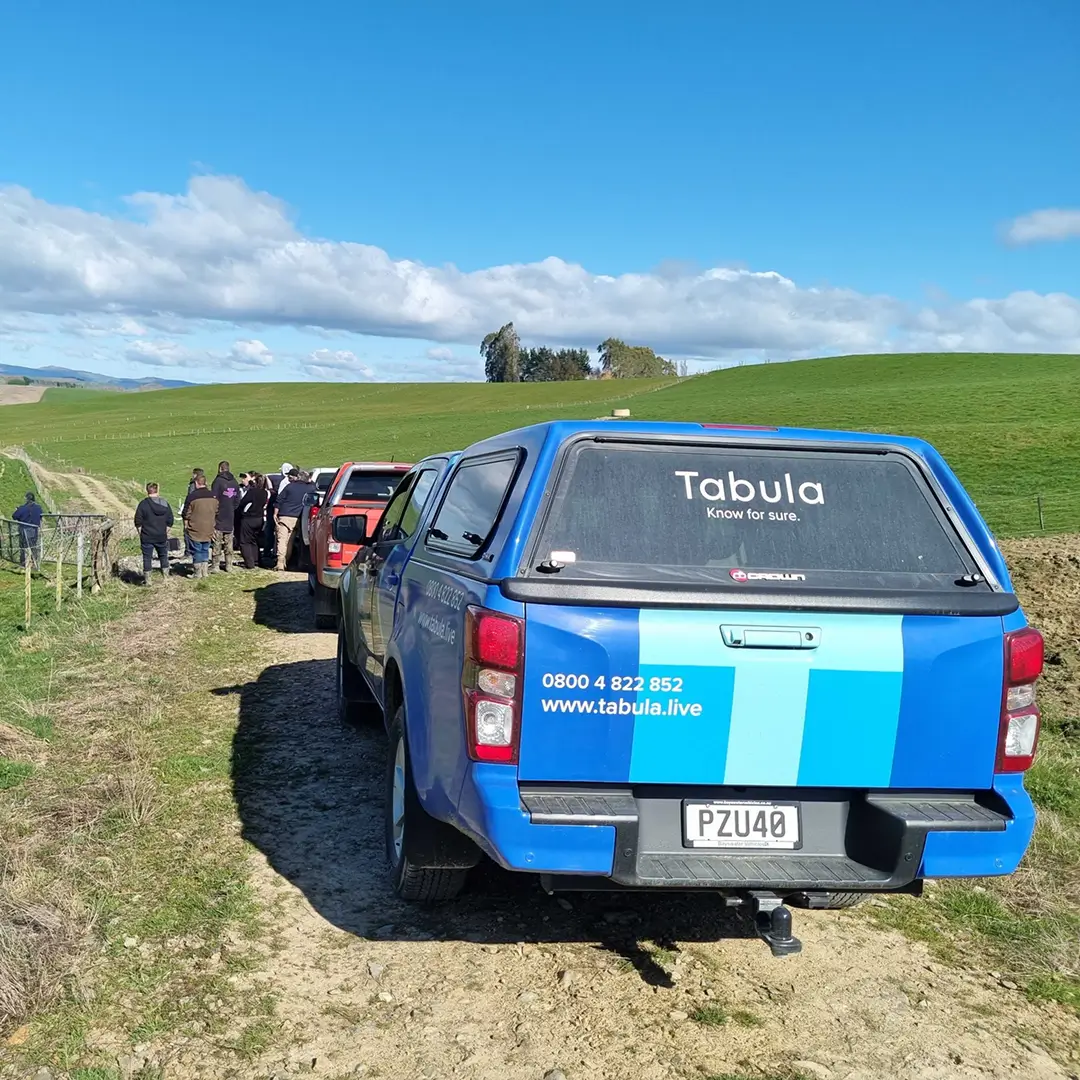
So, in 2023, after 17 years as TracMap, we became Tabula.
It was a new name for a business that had already changed significantly. The guidance and proof of application that built TracMap remained at our core, but around them had grown something much bigger: a platform connecting people, machinery, jobs and information across an entire operation.
Why Tabula?
Changing our name wasn’t about changing direction. It was about recognising how far we’d come.
The word ‘Tabula’ comes from the Latin word for a tablet or writing surface — a place where information was recorded and shared, and an early way of keeping people connected. The technology looks very different today, but the idea remains relevant.
Today, Tabula connects complex organisations across agriculture, horticulture, agricultural aviation and wildfire management. Customers even include government departments responsible for large-scale mosquito control operations.
Every industry works differently, but they all share the same challenge: bringing people, information and operations together to make better decisions.
That’s what Tabula was built to do. To be the place where it all comes back together. To connect every part of an operation so people’s expertise can be applied with greater confidence.
Looking Forward
The last twenty years have brought GPS guidance, cloud software, connected operations and real-time visibility. The next twenty will bring artificial intelligence, automation, robotics and technologies we haven’t imagined yet.
We’ll continue evolving alongside those changes and the opportunities they bring, just as we always have.
Because while technology will continue to change, the need for one connected operational picture won’t. There will always need to be a place where information comes back together. A place where information meets decision-making in real time.
Looking back, the name change represented something bigger than a rebrand. It marked the shift from solving individual operational problems to connecting entire operations.
That’s what Tabula represents today.
And that’s what will continue to shape everything we build tomorrow.
Technology will continue to evolve. Field operations will continue to evolve. Our job is to make sure everything still comes together.
Next in this series: Read Michael Whittaker’s article ‘The Next 20 Years’ to discover his thoughts on what the next two decades could look like for connected field operations and the technologies supporting them.

I was slightly nervous at the start, to be honest, until the orders started ramping up.
Getting the contract with Weallans, the largest ground spreading operation in New Zealand, and other large contractors gave us confidence. Once it started ramping up, things moved pretty quickly.